Bring the feeling of a country kitchen filled with the fragrance of buttery breads and herbs into your home. This staple of festive gatherings is a snap to throw together, yet it always looks like it came from a gourmet caterer. These little buckwheat pancakes have a crispy edge, a light and lofty center, and a rich, silken fish topping that’s sure to satisfy. Store-bought crackers can’t compete with homemade buckwheat pancakes. When the clock strikes twelve, there’s nothing like a rich butterscotch-scented treat that takes five minutes to make.
Key Takeaways
Elegant Smoked Salmon Blinis Appetizer for New Year’s Eve
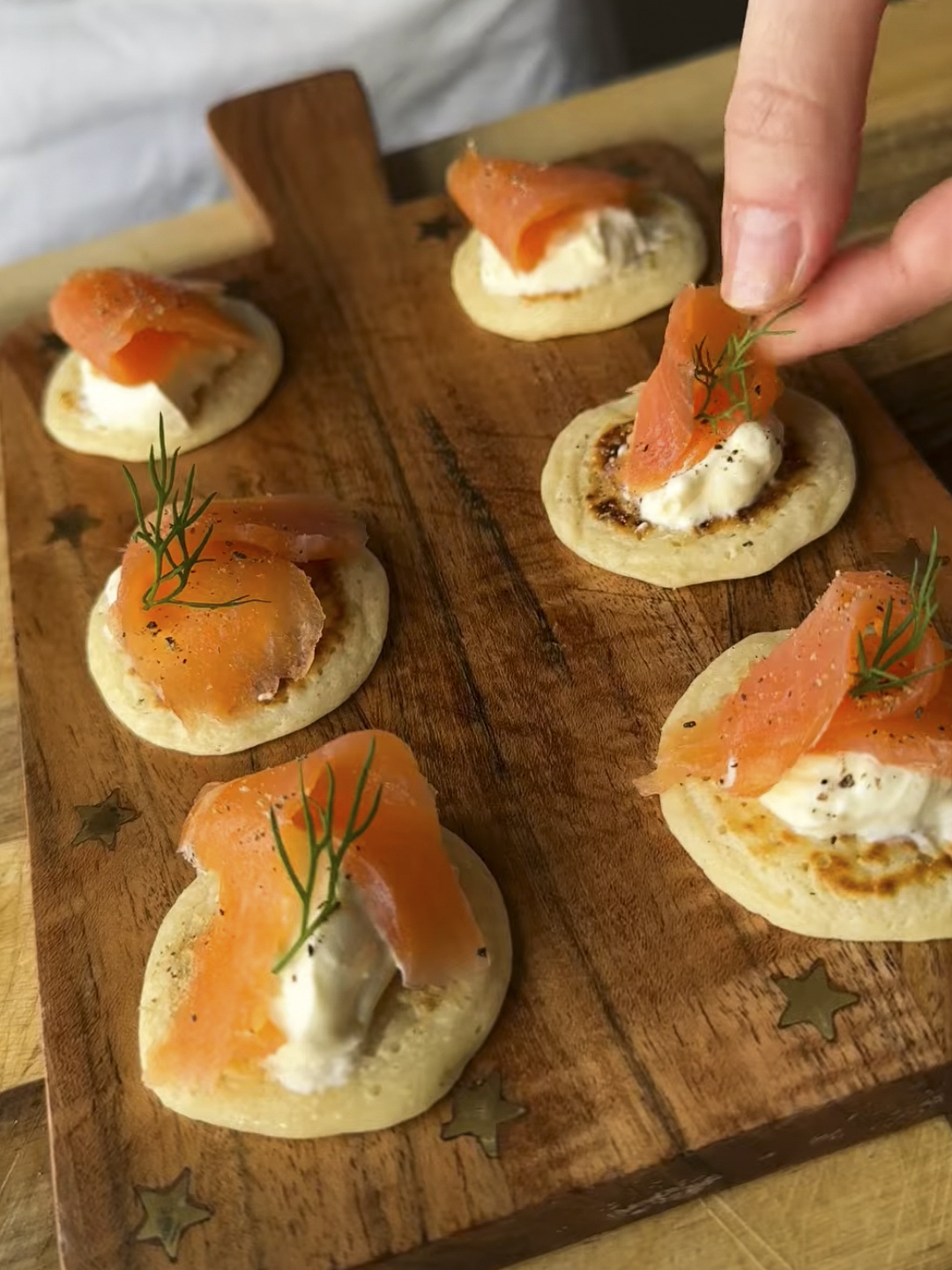
Tender, buttery buckwheat pancakes crowned with cool crème fraîche, cured ribbon fish, and fresh dill.
Ingredients
- 1/2 cup buckwheat flour
- 1/2 cup all-purpose flour
- 1 teaspoon baking powder
- 1/4 teaspoon kosher salt
- 3/4 cup whole milk, warm
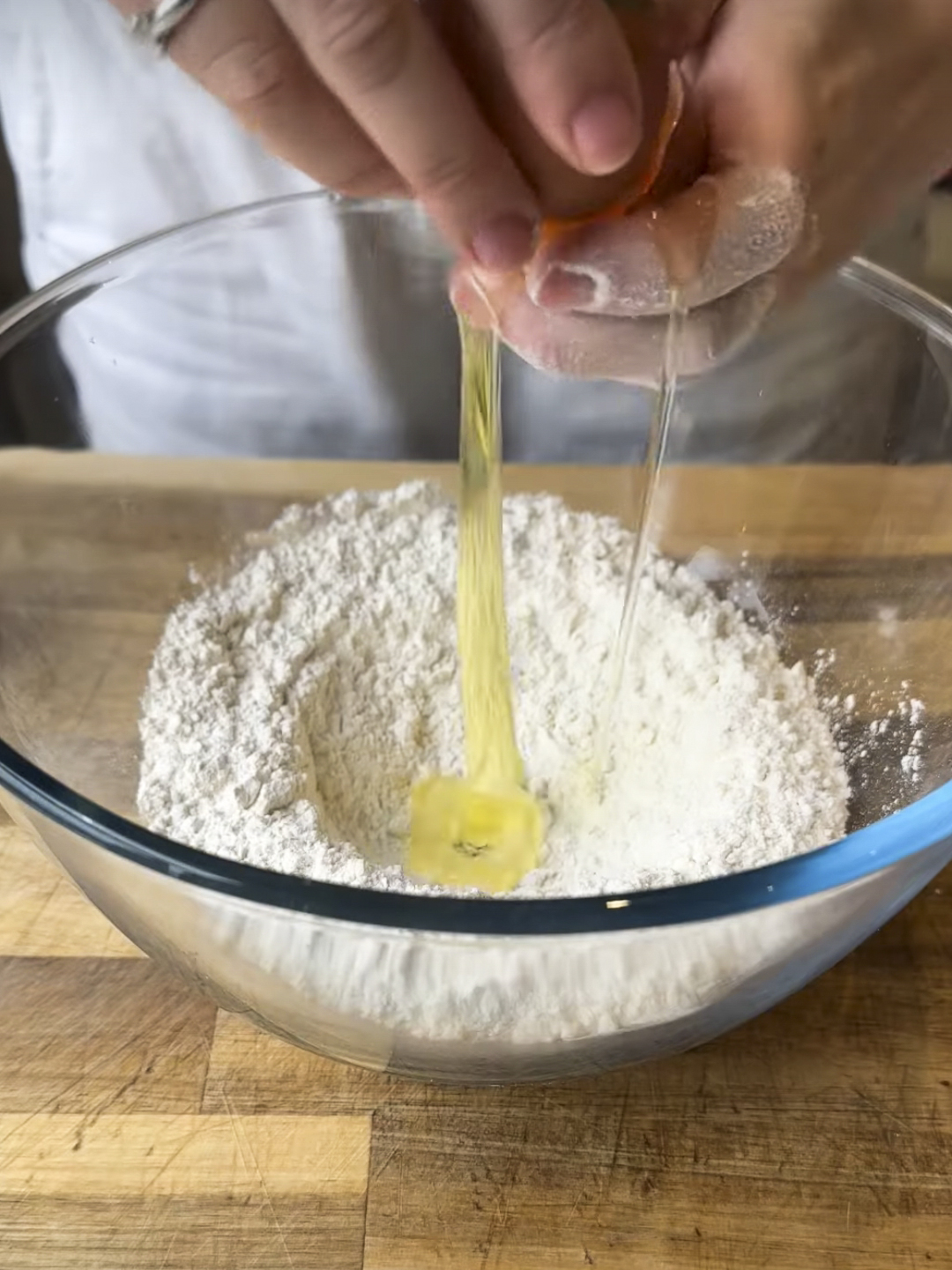
- 1 large egg, yolk and white separated
- 2 tablespoons unsalted butter, melted, plus extra for greasing pan
- 1/2 cup crème fraîche or whole-milk sour cream
- 1 tablespoon fresh lemon juice
- 1 tablespoon fresh chives, minced
- 8 ounces cold-smoked salmon, thinly sliced
- Fresh dill sprigs, for garnish
- Freshly cracked black pepper, to taste
Necessary Utensils & Equipment
-
-
- 2 Medium Mixing Bowls
-
- 1 Small Mixing Bowl
-
- Whisk
-
- Handheld Electric Mixer or Balloon Whisk
-
- Silicone Spatula
-
- Large Non-Stick Skillet or Cast Iron Griddle
-
- Small Cookie Scoop or Tablespoon Measure
-
- Thin Metal or Fish Spatula
-
- Serving Platter
-
Instructions
-
- Whisk the buckwheat flour, all-purpose flour, baking powder, and kosher salt together in a medium bowl until thoroughly combined.
- In a second bowl, whisk the warm milk, egg yolk, and melted butter. Pour the liquid into the flour mixture, whisking gently until just combined. Let sit for 5 minutes.
- In a clean bowl, beat the egg white with a handheld mixer until stiff peaks form. Gently fold the beaten white into the batter using a silicone spatula until no white streaks remain.
- Stir the crème fraîche, lemon juice, and minced chives together in a small bowl. Keep chilled in the refrigerator until ready to plate.
- Heat your skillet over medium-low heat and grease lightly with a dab of butter. Drop rounded tablespoonfuls of batter into the pan, leaving an inch between each round.
- Cook for 1 to 2 minutes until bubbles break on the surface and the bottoms turn a light golden hue. Flip gently with a thin spatula and cook for another minute. Transfer to a rack to cool slightly.
- Top each warm or room-temperature base with a dollop of seasoned crème fraîche. Lay a gentle ribbon of sliced fish over the cream, top with a dill sprig, and add cracked pepper. Serve immediately.
Secrets to Tender Buckwheat Batter
Buckwheat adds a distinctive earthy flavor to traditional Russian and French blini pancakes, making them infinitely more appetizing than ordinary pancake batter. The flour made from buckwheat groats is gluten-free, so pancake batter in which it is used in full volume tends to be too crumbly and heavy, resulting in tiny, thick griddlecakes.
The easiest way to avoid this problem is to split the flour between buckwheat and unbleached all-purpose in half and to keep the dough from becoming too compact. I always accidentally added the whole egg to the milk-vinegar mixture instead of separating the white from the yolk and beating the former to stiff peaks.
This mistake led to my first disastrous attempt at buckwheat blini, thick, rubbery, and virtually unable to hold any toppings. It took me around a minute to whip the egg white, and the resulting fluffy consistency was worth the effort; it kept the pancakes from collapsing under the weight of jam or sour cream.
Keep your milk lukewarm, not cold from the fridge. Chilled milk will seize your melted butter into little greasy pebbles, making the batter greasy and uneven.
Essential Cookware and Pan Heat
A heavy cast iron pan or thick nonstick skillet is the preferred choice. Thin pans lead to hot spots which cause the bottom to burn before the center sets. Keep the flame low to medium.
Listen for the sound of gently sizzling when you drop the desired amount of batter into the pan. If the butter begins to brown as soon as it touches the pan, remove it from the heat to cool it down. Medium-low heat is best for cooking small cakes through without burning the edges.
Make sure to cook them in batches. Crowded pans have lower surface temperatures, causing the pancakes to absorb more grease instead of browning evenly. A light wipe of the pan with a paper towel between each batch is enough to lubricate it.
Assembly and Flavor Balance
Building these takes a light touch. Avoid laying the fish flat like a slice of deli cheese. Instead, bunch and twist a small strip into an open ribbon so it gathers height and air.
Temperature contrast makes each mouthful pop. The pancake should be lukewarm or room temperature, while the topping mixture must stay cold. If the cake is piping hot, your chilled cream turns into a runny puddle.
Texture matters just as much as flavor. Crisp herbs and cracked peppercorns break up the rich fat of the cured salmon. You can run through these topping variations if you want extra variety on your board:
- Swap crème fraîche for thick labneh mixed with grated lemon zest.
- Add a tiny spoonful of salty paddlefish or trout roe right on top of the herbs.
- Toss drained capers in a hot pan for two minutes to make crisp little flavor bombs.
- Use hot-smoked salmon flaked into tender chunks instead of thin ribbon slices.
Party Prep and Make-Ahead Steps
No host wants to be standing over the stove when drinks are being poured and guests are arriving. Luckily, these base rounds are perfectly capable of seeing the day through to the evening. Bake the whole batch in the morning,
cool completely on a wire rack to prevent damp bottoms, then stack them between sheets of parchment paper in an airtight container. Twenty minutes before you need them, arrange the base rounds on a baking sheet.
Warm them in a 300 degree oven for four to five minutes, just to take the chill off.
The edges will be nicely toasted and ready for the next step. Set up an assembly line on your counter, then drop some cream on each base round, curl some cured seafood on top, and slide the whole thing out to your friends.
Frequently Asked Questions
Can I make the batter ahead of time?
You can mix the dry ingredients, milk, egg yolk, and butter a few hours early. Keep it covered in the fridge. However, do not whip and fold in the egg white until right before you start cooking, or your batter will lose its lift.
What if I cannot find buckwheat flour?
You can use 100% all-purpose flour if buckwheat is unavailable. The pancake will have a lighter color and a milder, standard flavor, but it will still taste great with the rich toppings.
Can I freeze leftover cooked blinis?
Yes, cooked plain rounds freeze well. Lay them flat on a sheet pan to freeze solid, then bag them up for up to a month. Reheat directly from frozen in a warm oven for six to eight minutes.
How much fish do I need per bite?
Aim for about a third of an ounce per pancake. You want enough fish to taste in every bite without overwhelming the delicate pancake underneath.
Are you serving these for New Year’s Eve, or do you have another holiday party in mind? Let me know in the comments how your batch turns out!