Searing beef tenderloin in smoking oil for exactly sixty seconds per side will create a thick brown crust that will lock all juices in, so that pastry will not make it soggy. This way, a sizzling cast-iron sear will create a delicious barrier to keep your centerpiece moist and protect the fragile pastry from withering in the process. Preparing this impressive main course for your holiday dinner will not require you to have a degree in culinary arts if you stick to these reliable ratios.
Many home chefs are hesitant to attempt making Beef Wellington because they imagine themselves preparing a gray, overdone piece of tenderloin wrapped in a soggy dough. However, if you think of this dish as three equal components, such as tender beef, dry mushroom duxelles, and buttery puff pastry, the process will seem less daunting. In addition, make sure to pre-chill your wrapped tenderloin before putting it in the oven to ensure that you will get a crisp crust on the outside while keeping the inside meat juicy and pink. Let us prepare this festive family favorite for your oven.
Key Takeaways
Classic Beef Wellington for Christmas Eve Dinner
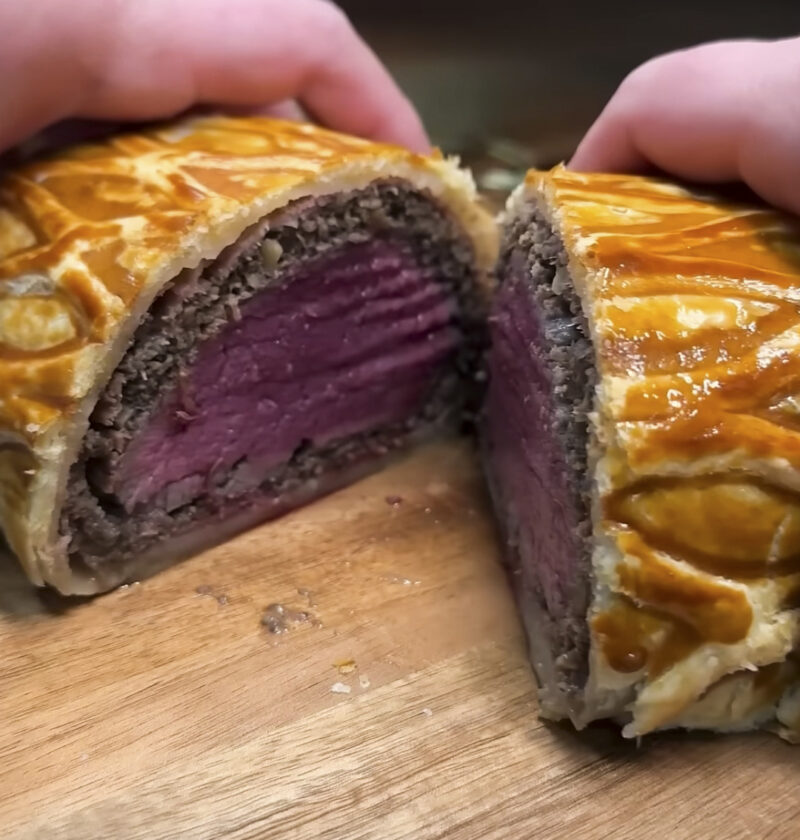
Tender center-cut beef tenderloin coated in savory mushroom duxelles and wrapped in flaky golden puff pastry.
Ingredients
- 1.5 lbs center-cut beef tenderloin (chateaubriand), trimmed
- 1 lb cremini mushrooms, finely chopped
- 1 sheet all-butter puff pastry, thawed but chilled
- 6 slices prosciutto di Parma
- 2 tablespoons Dijon mustard
- 2 tablespoons olive oil
- 2 cloves garlic, minced
- 1 tablespoon fresh thyme leaves, chopped
- 1 large egg, beaten (for egg wash)
- 1 teaspoon kosher salt
- 0.5 teaspoon freshly ground black pepper
- Flaky sea salt, for finishing
Necessary Utensils & Equipment
-
-
- Cast iron skillet
-
- Food processor
-
- Baking sheet lined with parchment paper
-
- Plastic wrap
-
- Meat tongs
-
- Pastry brush
-
- Instant-read digital meat thermometer
-
- Sharp carving knife
-
Instructions
-
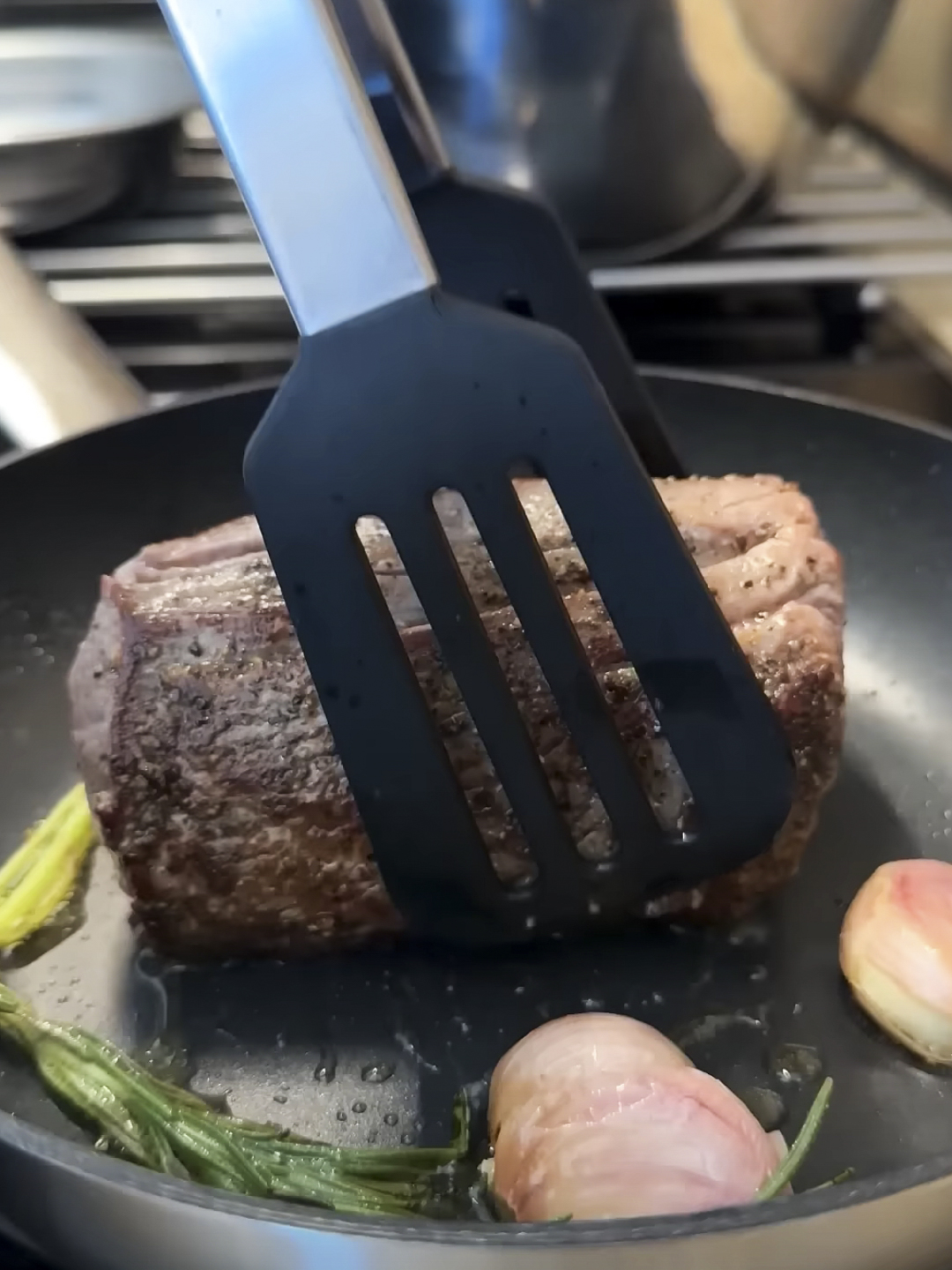
- Pat tenderloin dry using paper towels. Season all sides with kosher salt and black pepper. Heat olive oil in a cast-iron skillet over high heat until smoking hot. Sear beef for 60 seconds per side until a deep brown crust forms. Remove immediately from pan and let cool for 5 minutes. Brush Dijon mustard evenly across the warm meat.
- Pulse mushrooms, garlic, and thyme in a food processor until finely minced. Transfer mixture to the dry skillet over medium-high heat. Cook for 8 to 10 minutes until all liquid evaporates completely and you are left with a thick paste. Season with a pinch of salt and let cool.
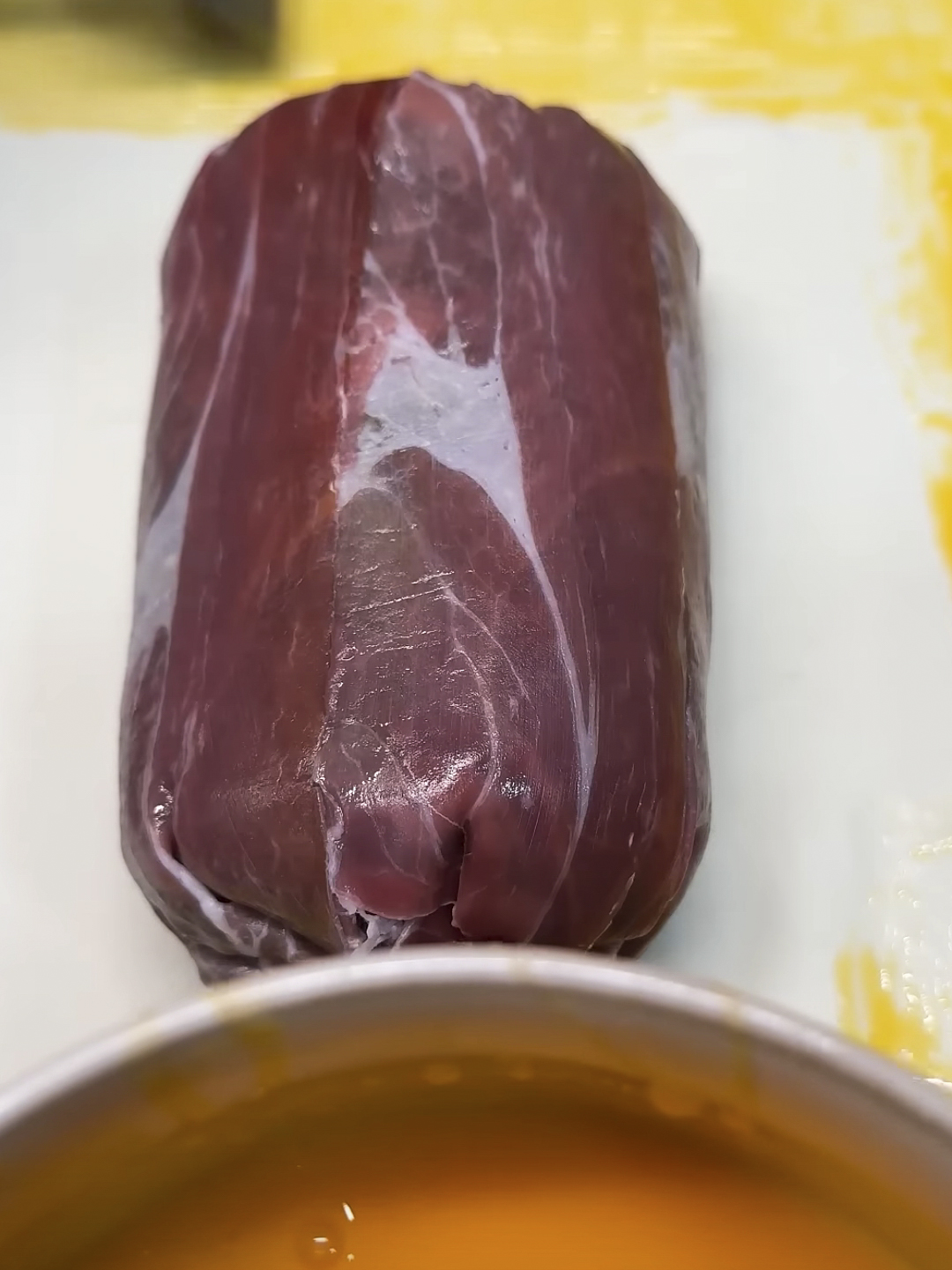
- Lay a long sheet of plastic wrap on your counter. Arrange prosciutto slices in an overlapping rectangle matching the length of your beef. Spread cooled mushroom duxelles evenly over the prosciutto layer. Place the seared tenderloin at one end. Use the plastic wrap to roll the prosciutto tightly around the meat into a firm cylinder. Chill in the refrigerator for 15 minutes.
- Preheat your oven to 425°F (220°C). Roll out puff pastry onto a lightly floured surface. Unwrap chilled beef and place it in the center of the pastry. Fold pastry over the beef, trimming any thick excess dough, and seal edges with beaten egg. Place seam-side down on a parchment-lined baking sheet.
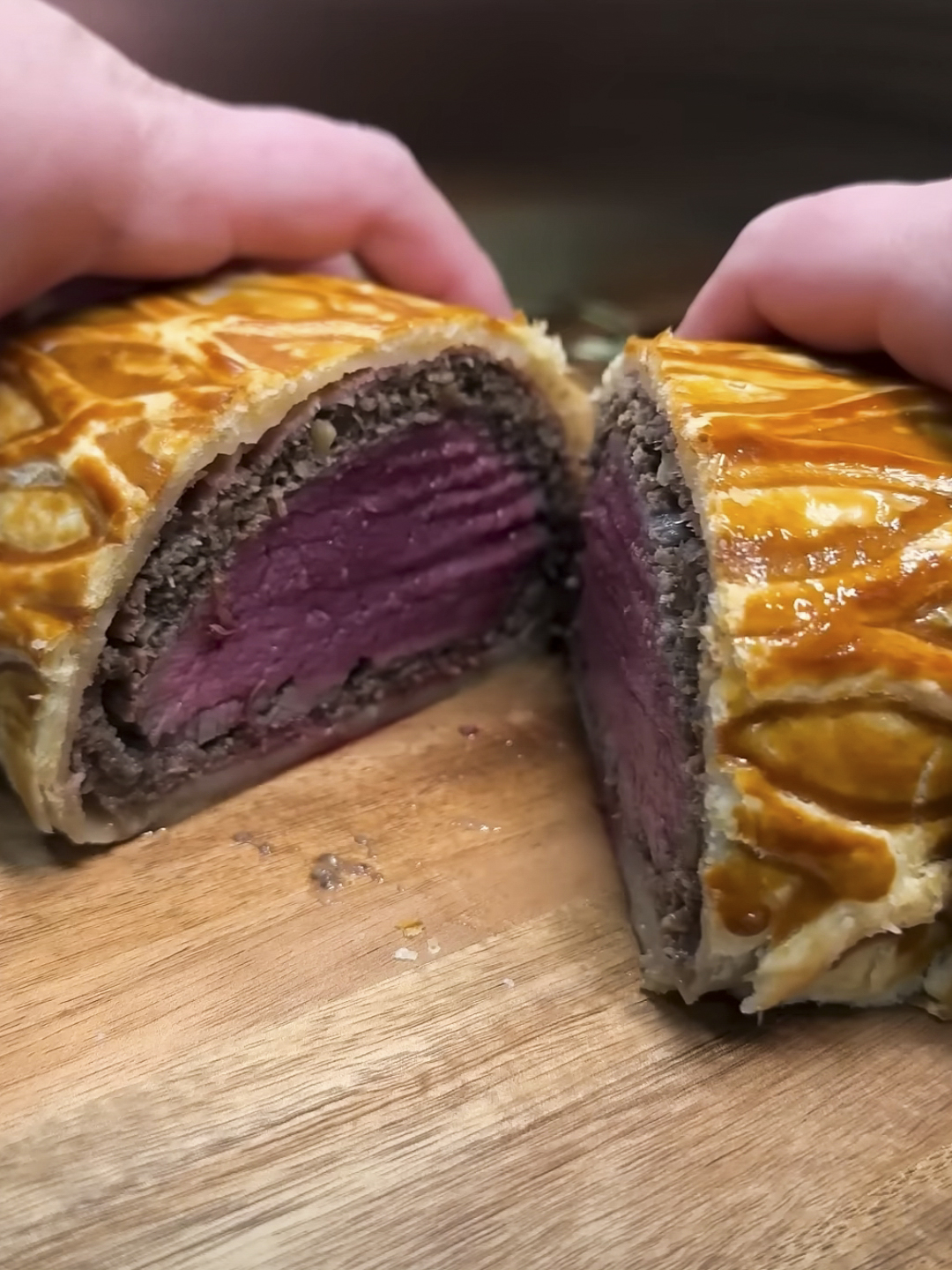
- Brush the entire exterior with beaten egg wash and score light decorative diagonal slits with a sharp knife. Sprinkle flaky sea salt on top. Bake for 25 to 30 minutes until crust is deep golden brown and internal meat thermometer reads 125°F (51°C) for medium-rare. Rest for 10 minutes before slicing.
Mastering the Golden Ratio for Pastry and Filling
My first attempt at Beef Wellington was a catastrophe. I messed up the mushroom filling, the liquid in the pan, and the half-eaten bottom crust turned to brown mush before dinner.
When the proportions are clear, a mishap with the lower crust is impossible. One and a half pounds of beef to one pound of fresh mushrooms is the recipe’s moisture ratio. The liquid content of the mix is precisely balanced by the eighty percent decrease in mushroom mass during the cooking process. The resulting mixture will have enough concentrated savory goodness to form an effective barrier between the meat and the pastry sheet without making it soggy.
Prosciutto provides an additional insurance policy against watery surprises. Six regular slices of deli ham will be needed to wrap the tenderloin of this size with a little overlap on each side. This will create a thin salty film that will protect the inside of the puff pastry from the moisture of the raw meat, which can be problematic when expanding under high pressure.
Pro Tip: Cook your minced mushrooms in an ungreased pan until they stop sizzling. When no visible steam rises and the paste clumps easily on a wooden spoon, the moisture is gone.
How to Cook Perfect Beef Wellington Without Guesswork
Assembly requires cold storage. Beef, when rolled and chilled for fifteen minutes in plastic wrap, firms the butter in the beef, allowing it to be wrapped more tightly in pastry without pockets. Warm beef would melt the fat in the pastry before reaching the oven.
Roll the pastry dough just large enough to turn over the beef with one inch to spare. Trim away big folds of pastry on the sides so that the heat can cook the crust to an even consistency all the way around, leaving thick clumps of double pastry doughy while the rest turns crisp.
When brushing with egg wash, avoid puddles along the bottom edge on the baking sheet. Egg will act like glue, binding the pastry to the paper and keeping the shell from crisping on the bottom. Quick touches with a pastry brush will leave a shiny, rich finish.
Common Troubleshooting Mistakes and How to Avoid Them
Soggy bottom crusts remain the primary hurdle for home cooks tackling this roast. Follow these simple safeguards to keep every slice crisp:
- Avoid skipping the sear: High heat caramelizes the outer meat fibers, keeping precious juices inside the beef rather than leaking into your dough.
- Cool your components: Never lay hot mushroom duxelles or warm beef on cold pastry sheets. Warmth breaks down cold laminated butter pockets instantly.
- Vent the crust: Cut three small slits along the top ridge so steam can escape freely instead of blowing open the sealed seams.
- Use a thermometer: Do not rely solely on pastry color to judge doneness. An instant-read meat thermometer inserted into the thickest center gives you total peace of mind.
Make-Ahead and Storage Tips for a Relaxed Christmas Eve
Holiday dinners can be stressful affairs, but here’s how to make them less so. You can roast, dredge, encrust and chill your meatloaf in plastic wrap for up to twenty-four hours in advance (and store it in your refrigerator until 2 hours before guests will arrive.)
When you’re ready to bake, wrap the chilled cylinder of meat in pastry, then apply a coat or two of egg wash, etch your design into the dough and slide the creation directly into your preheated oven. Baking your roast from a chilled state keeps it rare inside while allowing the puff pastry to reach its maximum height and a golden-brown color when it comes out of the oven. The roast needs to rest on a heated plate for 10 minutes before you can slice it with a serrated knife without losing the integrity of the pastry.
Leftovers can be stored in an airtight container in the refrigerator for up to 3 days. To reheat, skip the microwave (they turn the crisp crust into a rubbery mess) and slip the slices into a 350-degree oven for 10 minutes until the shells have regained their snap.
Frequently Asked Questions
Can I make Beef Wellington without wine or alcohol?
Yes, absolutely. This recipe focuses on fresh mushrooms, minced garlic, and thyme cooked down until dry without any wine deglazing. The earthy flavor of cremini mushrooms paired with sharp Dijon mustard provides rich flavor on its own.
How do I know when the beef reaches medium-rare?
Pull your Wellington from the oven when an instant-read thermometer registers 125°F (51°C) in the thickest section. As the roast rests on your cutting board, carryover cooking raises the internal temperature to a flawless 130°F–135°F.
Can I use puff pastry dough from the grocery store?
Store-bought puff pastry works wonderfully for this meal. Look for brands made with pure butter rather than shortening for superior flakiness and flavor. Thaw it overnight in your refrigerator so it rolls out smoothly without cracking.
Are you serving this Wellington with red wine sauce or classic roast potatoes this year? Let me know in the comments how your holiday dinner turns out!