A sheet of heavy duty foil lining your roasting pan makes for a cleanup that takes all of 5 minutes after the clock strikes midnight. No more waiting until the sun rises to soak crusted pans, just toss those handy little sheets and rinse that carving board before rushing back to your guests with a glass of champagne.
Avoiding the nerves of a pricey cut of beef going bad on the most important night of the year is a whole lot easier with an accurate leave-in probe thermometer, taking all the guess work out of your dinner so you can guarantee a perfect medium-rare center without a second thought. This method utilizes thick bone in ribeye steaks cooked roast-style, cutting down on typical roasting time while providing that celebratory crust.

Key Takeaways
Best Garlic Herb Prime Rib Roast Recipe for New Year’s Eve
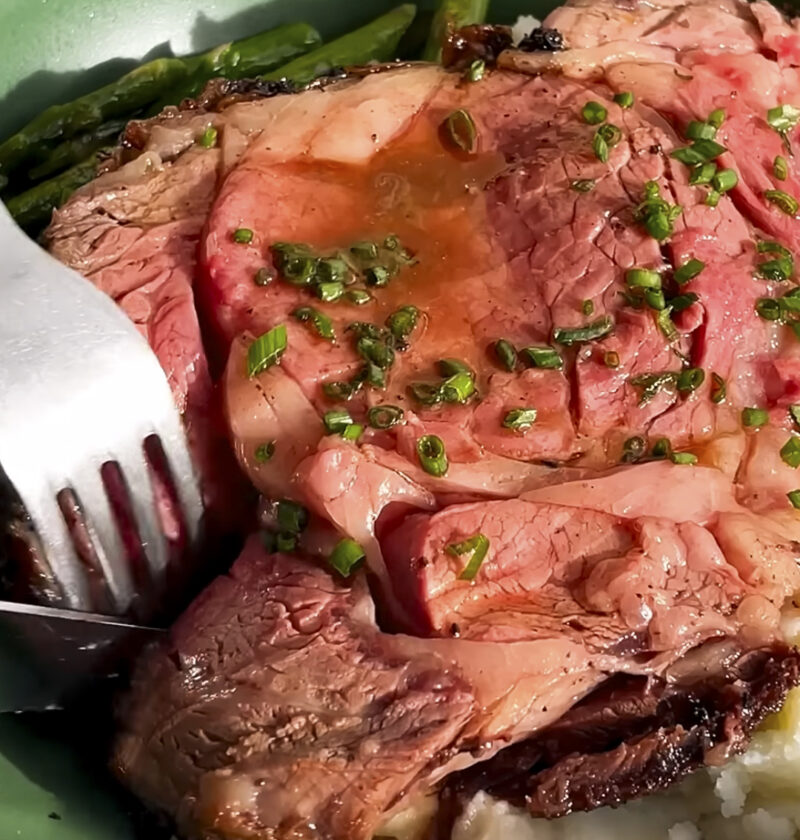
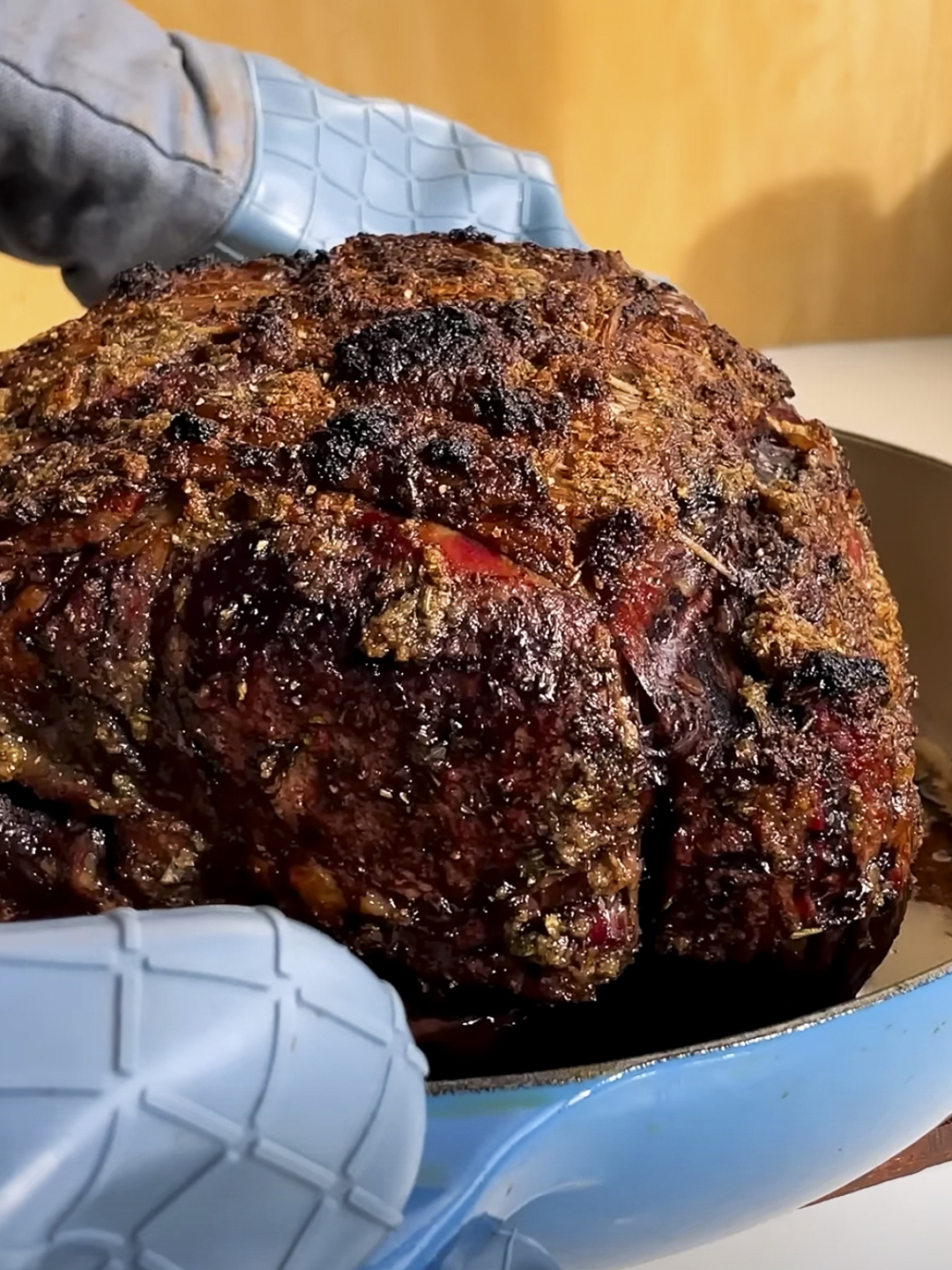
Cracked black pepper, fragrant rosemary, and golden roasted garlic form a savory shell over tender, rosy beef.
Ingredients
-
-
- 2 bone-in prime rib steaks (approx. 2 inches thick, 1.5 lbs each)
-
- 6 cloves fresh garlic, finely minced
-
- 2 tablespoons fresh rosemary, finely chopped
-
- 1.5 tablespoons fresh thyme leaves, stripped from stems
-
- 2 tablespoons softened unsalted butter
-
- 1.5 tablespoons olive oil
-
- 1 tablespoon coarse kosher salt
-
- 1.5 teaspoons coarsely cracked black pepper
-
Necessary Utensils & Equipment
-
-
-
- Cast iron skillet or heavy roasting pan
-
- Digital probe meat thermometer
-
- Small mixing bowl
-
- Silicone basting brush or spatula
-
- Heavy-duty aluminum foil
-
- Carving knife and cutting board with juice groove
-
-
Instructions
-
-
-
- Take your meat out of the refrigerator 45 minutes before cooking to shake off the chill. Pat every surface thoroughly with paper towels.
-
- Preheat your oven to 450°F (232°C). Line your skillet or roasting sheet with heavy foil for fast cleanup later.
-
- Stir the minced garlic, rosemary, thyme, butter, olive oil, coarse salt, and cracked pepper together in a small bowl until a thick, gritty paste forms.
-
- Smear the herb mixture generously over the top, bottom, and fatty sides of the meat.
-
- Arrange the seasoned beef in the pan. Slide it into the hot oven and roast at 450°F for 12 minutes to crisp the crust.
-
- Drop the oven temperature down to 325°F (163°C) and continue roasting for 16 to 18 minutes, until your meat thermometer reads 125°F (52°C) for medium-rare.
-
- Transfer the meat to a cutting board, tent it loosely with foil, and let it rest undisturbed for 10 minutes before carving thin slices against the grain.
-
-
The Science of Surface Dryness
Moisture ruins everything for a rich, mahogany crust. The water on the meat’s surface needs to be evaporated by the heat of the oven, before the muscle fibers begin to brown.
The first time I cooked holiday beef I boiled it in its plastic butcher wrap, resulting in gray meat, steaming from its own juices with no crunch. I have since learned to pat the meat dry with kitchen towels and let it air on the counter before salting, buttering, and searing.
Dry meat browns quickly in the pan. The absence of moisture allows beef fat to crisp into a caramelized shield, sealing in juices.
Crafting the Garlic Herb Crust
The rub should not only stick to the beef but cling to it through high heat. The softened butter mixed with olive oil will ensure the chopped greens and pungent garlic will stick to the beef.
Chopped rosemary and thyme finely will prevent large leaves from burning on a hot pan. Chopping the garlic releases its aroma, which will fill the kitchen with a delicious smell.
One should always use coarse kosher salt instead of regular table salt because the bigger granules of salt will not oversalt tender meat fibers. The salt will provide the steak with a nice crunch. The black pepper should be freshly ground from peppercorns.
Using pre-ground pepper from a tin will make the steak bland and salty after being exposed to high heat.
Monitoring Internal Temperature
Timers track time, but internal heat registers actual doneness. Variables like bone thickness, starting temperature, and pan density throw standard cooking times off by ten or fifteen minutes.
Slip a digital probe sideways into the deepest part of the muscle, making sure the metal tip steers clear of bone. Bone conducts heat at a different rate and skews your readings.
Watch these key numbers closely on your screen:
- Rare: Pull at 118°F to 120°F (finishes around 125°F)
- Medium-Rare: Pull at 125°F to 128°F (finishes around 135°F)
- Medium: Pull at 135°F to 138°F (finishes around 145°F)
Carryover cooking is real. Residual heat continues to climb another 5 to 7 degrees after leaving the oven, which makes pulling the meat early the only way to avoid dry slices.
Resting and Carving Rules
Carving the meat right out the oven causes the juices to spill onto the kitchen counter. The beef’s muscle fibers have tightened up when exposed to the oven’s heat. As such, resting the meat blocks the process, letting the proteins relax and absorb the hot juices back into the cellular structure. You should wait for about ten minutes before slicing to let the meat’s internal liquids settle. This way, you can get juicy, tender morsels of beef with no moisture lost on the chopping board. Make sure you cut against the grain with a slicing knife. You’ll get long, flowing slices of meat that are silky smooth and easy on the mouth.
Expert Tips for Success
Troubleshooting Common Mistakes
If you notice your herb rub beginning to char before the initial high-heat blast has finished, cover the pan with a loose sheet of aluminum foil to hide the meat from the direct heat of the oven.
If your roast turns out to be a bit too rare for your guests, do not try to return it to the oven. Instead, pour some hot beef broth over the individual slices and let them warm up for 60 seconds.
Variations and Leftovers
You could add 2 teaspoons Dijon mustard to the herb butter when mixing to make it more piquant. It cuts through the richness of the fat, giving it a sharper edge.
Store any leftovers slices in an airtight container in the refrigerator for up to 4 days. Reheat the slices in a low oven with some au jus to keep them tender and juicy.
Frequently Asked Questions
Should I cook prime rib bone-in or boneless?
Bone-in is almost always preferable because the rib bones act as natural insulation, slowing down heat transfer and keeping adjacent meat extra tender. Bones also serve as a built-in roasting rack, keeping the beef elevated away from rendering fat.
Can I make the garlic herb paste ahead of time?
Yes. You can mash the butter, herbs, garlic, and seasonings together up to two days in advance. Store it sealed in your refrigerator, then bring it back to room temperature before slathering it over the meat so it spreads smoothly.
Why did my roast cook faster than expected?
Thick-cut bone-in steaks cook substantially faster than a full 10-pound holiday roast because they possess far more surface area per pound. Always trust your digital thermometer readout rather than watching clock minutes.
What are your favorite sides to serve alongside rich beef on New Year’s Eve? Drop your ideas in the comments below!