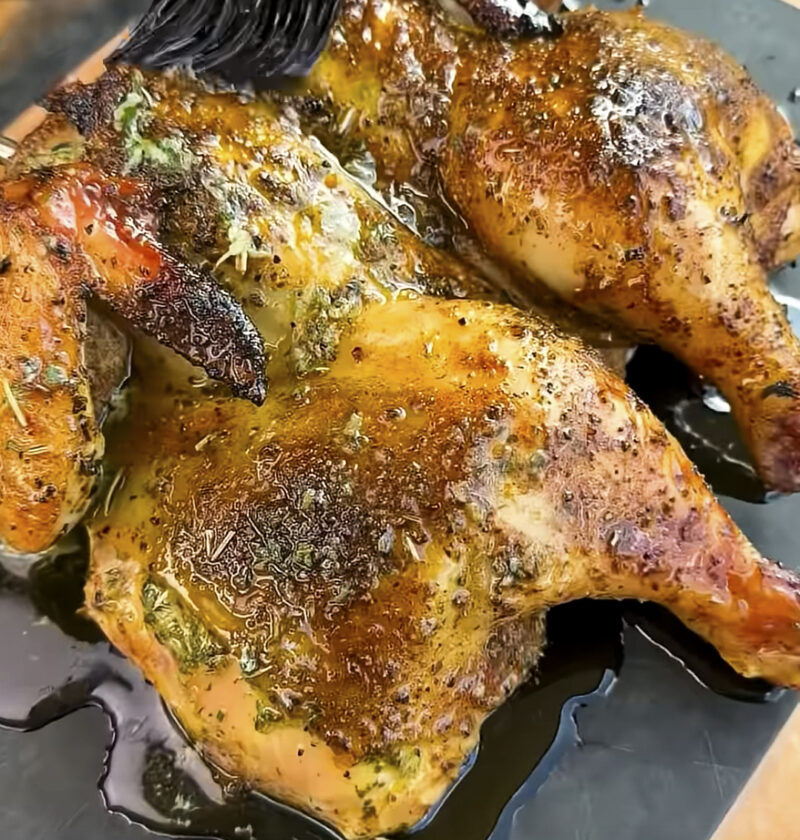
All you need is fresh rosemary, chopped sage, coarse salt and a good heavy pot to make holiday magic happen. There are no fancy gadgets, complicated marinades, or other tricks needed to create an incredible centerpiece for your dinner table. Golden poultry, rubbed with garden herbs, has a savory and earthy scent that is instantly warm for your kitchen. Simple ingredients from the pantry make your holiday meal authentic and soothing.
This spatchcock chicken cooks in a fraction of the time, resulting in tender meat and crackling skin, rather than all day long with a giant bird. It’s easy, simple and a wonderful focal point for your table that’s bound to lift everyone’s spirits!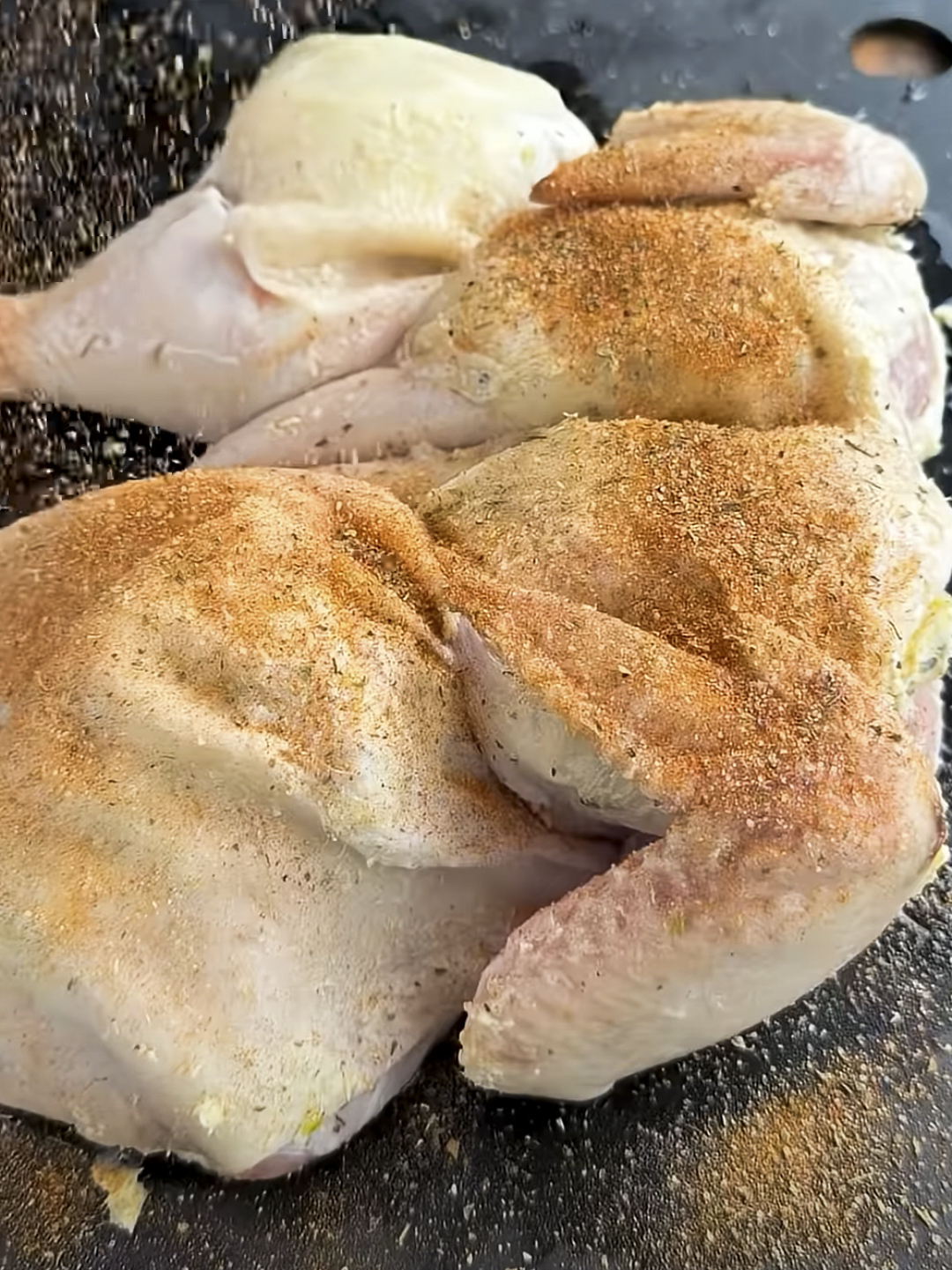
Key Takeaways
Juicy Herb-Roasted Whole Chicken Recipe for Thanksgiving
Crispy-skinned, butter-basted poultry infused with fresh sage and rosemary, cooked flat for rapid, even browning.
Ingredients
-
-
- 1 whole young chicken (about 3.5 to 4 pounds), butterflied/spatchcocked
-
- 4 tablespoons unsalted butter, softened to room temperature
-
- 2 tablespoons fresh rosemary, finely minced
-
- 2 tablespoons fresh sage leaves, finely chopped
-
- 1 tablespoon fresh thyme leaves
-
- 4 cloves garlic, grated or finely minced
-
- 1 tablespoon kosher salt
-
- 1 teaspoon cracked black pepper
-
- 1 medium yellow onion, sliced into thick rounds
-
- 1 lemon, halved
-
Necessary Utensils & Equipment
-
-
-
- 12-inch heavy cast iron skillet
-
- Sturdy poultry shears or sharp kitchen scissors
-
- Instant-read digital meat thermometer
-
- Small mixing bowl
-
- Chef knife and cutting board
-
- Paper towels
-
-
Instructions
-
-
-
- Preheat your oven to 450°F (232°C). Place your 12-inch cast iron skillet inside the oven while it heats up so the pan gets scorching hot.
-
- Pat the chicken completely dry on all sides using paper towels. Place it breast-side down on a sturdy cutting board. Using poultry shears, cut closely along both sides of the backbone to remove it completely. Flip the bird over and press firmly on the center of the breastbone until you hear a clean snap and the bird lies completely flat.
-
- In a small bowl, stir together the softened butter, minced rosemary, chopped sage, thyme, grated garlic, kosher salt, and black pepper.
-
- Gently work your fingers under the breast and thigh skin to loosen it. Rub about two-thirds of the seasoned butter mixture directly against the meat beneath the skin. Smear the remaining seasoned butter evenly over the outer skin.
-
- Carefully pull the preheated skillet from the oven using thick oven mitts. Scatter the thick onion slices across the bottom of the sizzling pan.
-
- Lay the flattened chicken directly over the onion slices, skin-side facing upward. Tuck the lemon halves into the empty spaces around the skillet edges.
-
- Return the skillet to the hot oven and roast for approximately 30 minutes, or until the thickest region of the thigh registers 165°F on an instant-read thermometer and the skin turns a deep golden brown.
-
- Transfer the bird to a clean board and rest for 10 minutes before carving.
-
-
Why Cast Iron Beats a Roasting Pan
A typical stainless steel roasting pan will usually have high walls that will recapture steam rising around the bird. The trapped moisture makes the outside skin look flabby instead of crispy. A well seasoned cast iron skillet will focus radiant heat on the dark meat and allow air to flow freely over the breasts.
First time cooking Thanksgiving meal, made the error of putting in too many vegetables in a high sided roasting pan. I found myself swimming in a bird’s juices and I had pale skin with overcooked white meat.
I’ve tried everything with a cast iron skillet – it made a world of difference when I switched to a flat one. As soon as you press down the iron, the underside begins to get seared, and you’re on a fast track to a shorter cook time. A wonderfully browned bird without the wait for 3 long hours for dinner.
Pro Tip: Always preheat your skillet inside the oven before adding the meat. That sudden thermal burst crisps the underside skin on contact and renders excess fat instantly.
The Secret to Extra Crispy Skin
The No. 1 enemy of crisp skin is moisture. If water is on raw poultry, the oven uses its initial power to evaporate water and not fat. By spending an additional two minutes, blotting each fold of the skin with dry paper towels, the size of the difference in texture will be enormous.
If you can, put the salted bird on a plate and leave it in the refrigerator for two hours before you begin work. The cool air also dries the surface thoroughly, so when it comes into contact with extreme heat, you will have that papery, glass-like look.
Pay attention, because the chicken roasts for 30 minutes. The fat will crack against the iron pan and the skin will bubble up to a bronze crust. That sound is a much better indicator of when the meal is ready than any kitchen timer ever will be.
Herb Butter Placement Matters
Herbs scattered on top of the skin often burn long before the dark meat cooks through. Sage and rosemary are delicate; exposure to 450-degree dry heat will scorch their fine leaves into bitter black specks. Sliding seasoned butter beneath the skin protects your aromatics and seasons the breast meat from within.
The butter slowly melts over the poultry fibers during the roast, preventing lean white meat from drying out. Meanwhile, the garlic and fresh piney herbs perfume the meat directly instead of washing down into the pan grease.
- Rub butter evenly across both breasts and thighs.
- Keep the outer layer of butter light so skin crisps rather than stews.
- Scatter fresh whole herb sprigs around the pan onions for added aroma.
Simple Carving and Serving Advice
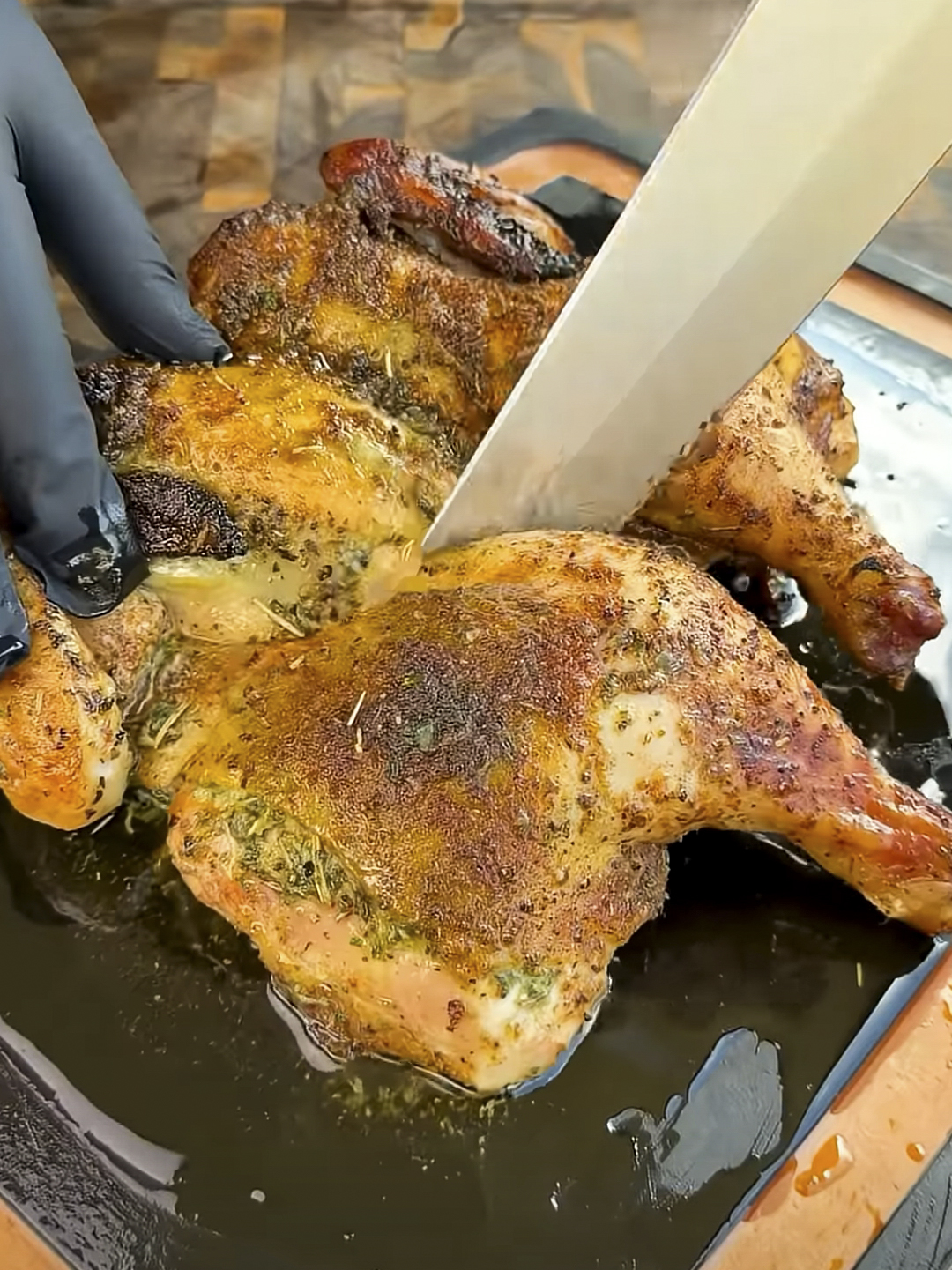
Don’t cut into meat the second it comes out of the oven. By leaving the chicken to “rest” for 10 full minutes, the chicken’s internal juices can re-enter the grain. But when you slice it open right away, those delicious juices will spill everywhere, rather than on the meat.
Carving a butterflied bird is very easy in comparison with a trussed bird. Cut between the drumstick and breast to cut apart the leg quarters. Then cut into the breasts on a diagonal, across the grain to ensure that you get nice clean juicy pieces with a generous layer of golden skin.
Don’t throw away the browned onions that remain in the cast iron skillet. They become sweet and jammy when steamed in chicken fat, sage and pan drippings. Add them on top of the slices you have just carved or mix in your warm mashed potatoes for an amazing side dish.
Frequently Asked Questions
Can I make this recipe ahead of time?
Roast chicken is always best enjoyed fresh from the oven when the skin is at its crispiest. However, you can butterfly the bird and apply the herb butter up to 24 hours in advance. Keep it chilled in the fridge, then bring it to room temperature for twenty minutes before placing it in the hot pan.
How do I know when the chicken is fully cooked?
Insert a digital meat thermometer into the thickest section of the thigh without hitting the bone. It should read at least 165°F (74°C). The juices should run completely clear when you pierce the meat, and the breast meat should feel firm to the touch.
Can I use dried herbs instead of fresh ones?
Fresh herbs provide the clean, aromatic bite you want for a Thanksgiving feast. If you only have dried herbs available, reduce the quantities by two-thirds, as dried seasonings are much more concentrated. Use one teaspoon of dried rosemary and one teaspoon of dried sage in place of the fresh amounts.
What if I do not own a cast iron skillet?
A heavy stainless steel oven-safe pan or an enameled baking dish will work well. Just make sure whatever cookware you use can safely withstand 450°F oven temperatures. Avoid glass dishes, as they can shatter under high heat or rapid temperature changes.
What side dishes are you planning to serve alongside your skillet roast this holiday season?