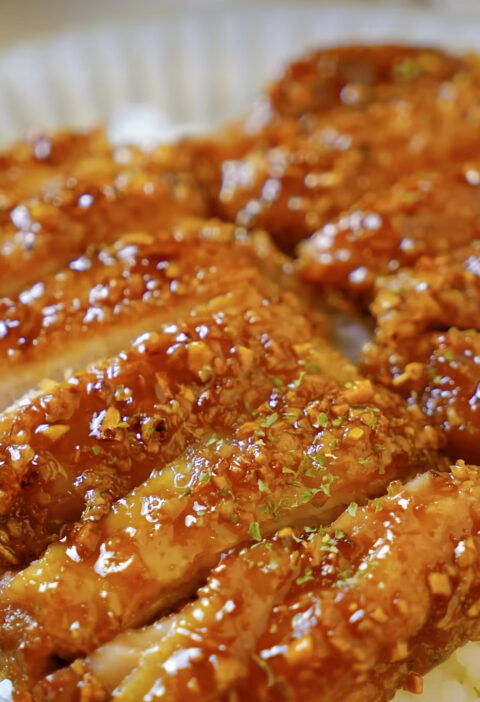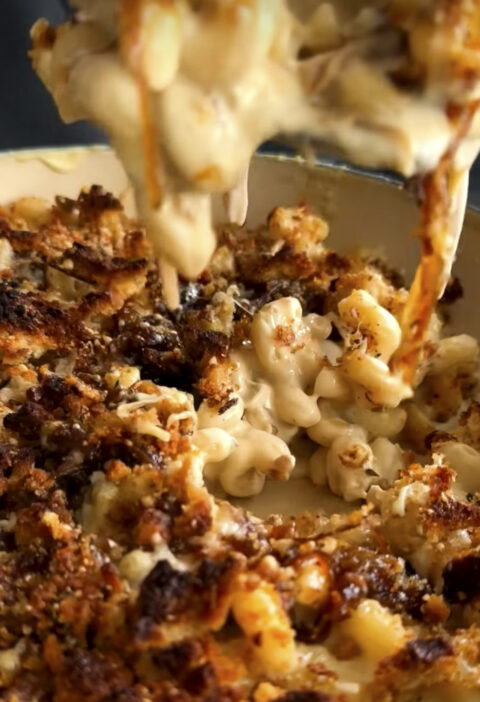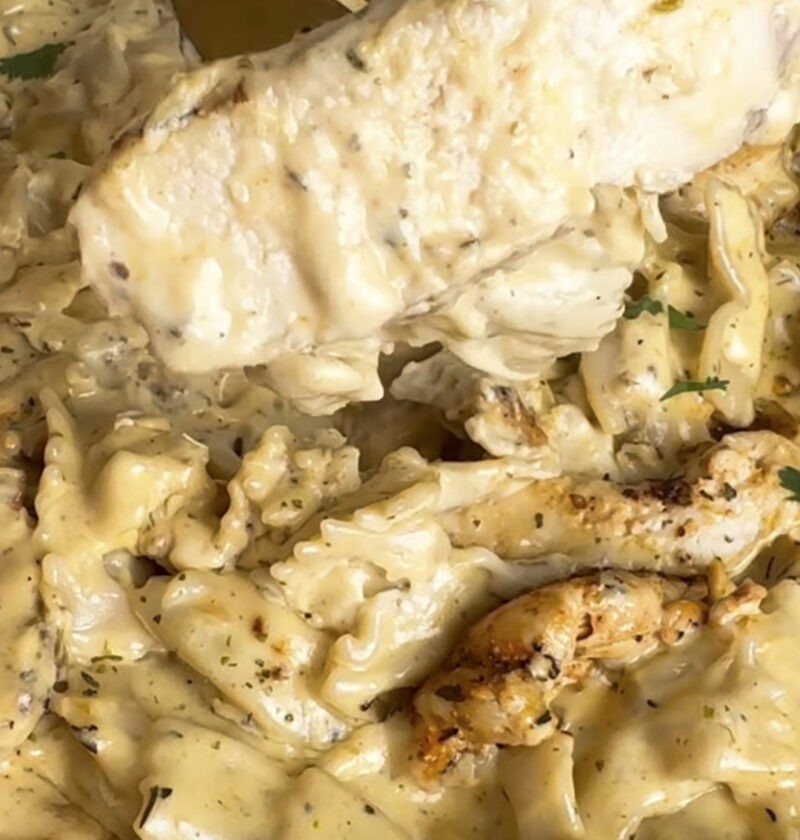
Salting slices of poultry for fifteen minutes before cooking it draws moisture from the meat, dissolving the salt crystals, then soaking up the salty water to create incredibly tender morsels that defy the usual toughness and stringiness. Combined with a sauce made from fresh aromatics, creamy richness, and tangy cheese, this easy weeknight dish finishes up as a fabulous meal worthy of a fine restaurant. Just toss everything into a skillet and let it simmer until the pasta is perfectly coated in a smooth, delectable sauce.
Key Takeaways
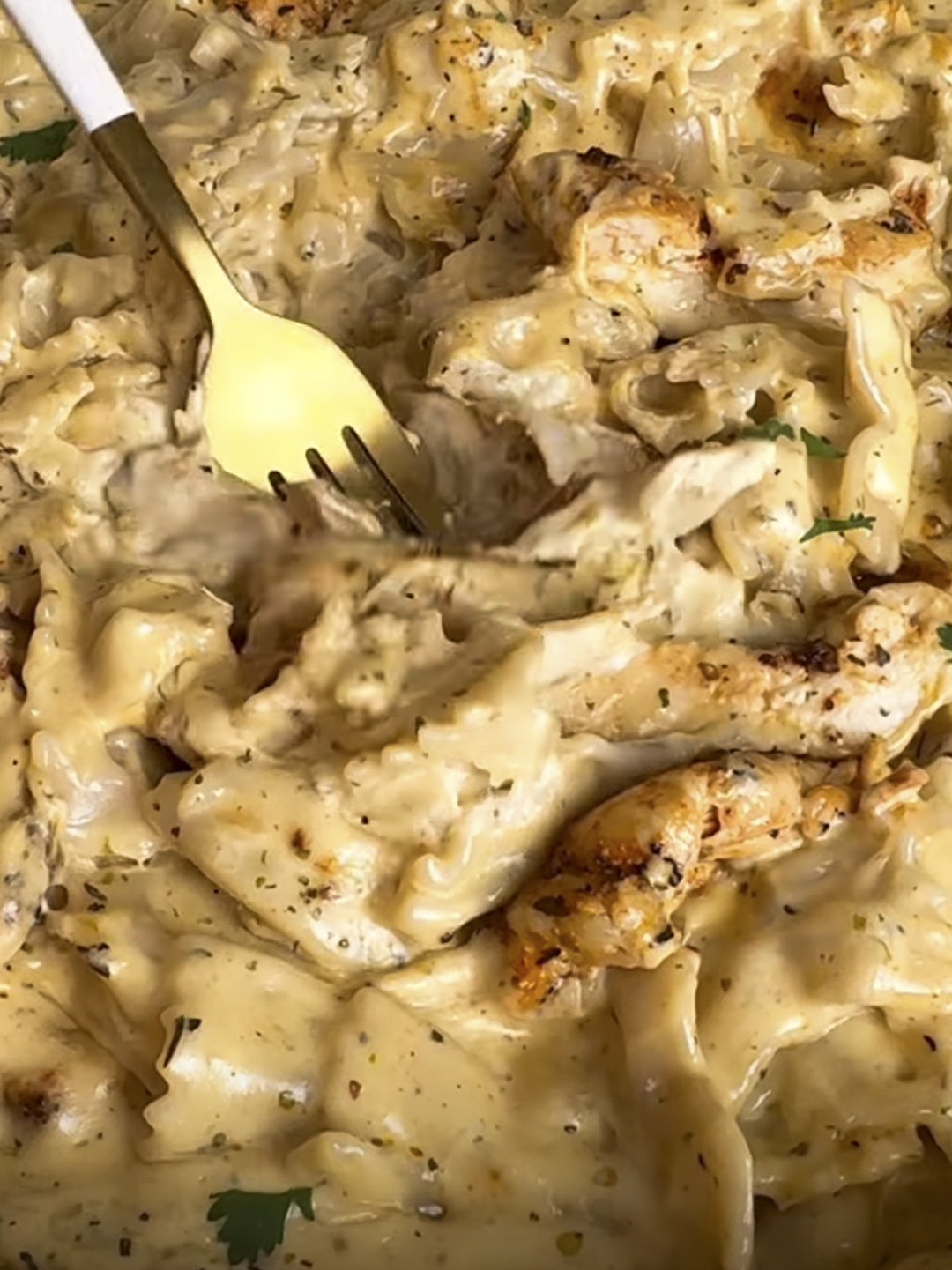
Creamy Garlic Parmesan Chicken Pasta
Golden-seared cutlets tossed in a fragrant, freshly grated cheese sauce with tender penne.
Ingredients
-
-
- 1 lb boneless, skinless breasts (sliced into thin cutlets)
-
- 8 oz penne rigate or fettuccine
-
- 2 tbsp extra virgin olive oil
-
- 2 tbsp unsalted butter
-
- 6 cloves fresh garlic (minced)
-
- 1 cup heavy whipping cream
-
- 1/2 cup low-sodium broth
-
- 1 cup freshly grated Parmigiano-Reggiano cheese
-
- 1 tsp Italian seasoning (dried oregano, thyme, basil)
-
- 1/2 tsp kosher salt (plus more for pasta water)
-
- 1/4 tsp cracked black pepper
-
- 2 tbsp fresh flat-leaf parsley (chopped)
-
Necessary Utensils & Equipment
-
-
-
- Large 12-inch heavy skillet or cast iron pan
-
- Large stockpot for boiling noodles
-
- Kitchen tongs
-
- Chef knife and sturdy cutting board
-
- Whisk
-
- Cheese grater (microplane or box grater)
-
- Liquid measuring cups and spoons
-
-
Instructions
-
-
-
- Bring a large pot of salted water to a rolling boil. Drop the noodles and cook until just shy of al dente, about 1 to 2 minutes less than package directions. Ladle out 1/2 cup of cooking liquid, then drain the pasta.
-
- Pat the poultry cutlets dry with paper towels. Season both sides evenly with kosher salt, cracked pepper, and Italian seasoning. Let rest for 10 minutes.
-
- Set your heavy skillet over medium-high heat. Add the olive oil and 1 tablespoon of butter. Once the fat shimmers, lay the meat in a single layer. Sear undisturbed for 4 to 5 minutes until deep golden-brown, then flip and cook another 3 to 4 minutes until the center reaches 165°F. Transfer to a clean plate and rest.
-
- Turn heat down to medium-low. Add the remaining tablespoon of butter to the skillet along with the minced garlic. Stir continuously for 45 to 60 seconds until fragrant, scraping up browned bits stuck to the bottom.
-
- Pour in the broth to deglaze the pan, stirring well. Slowly pour in the heavy cream while whisking. Bring to a gentle simmer for 3 minutes until slightly thickened.
-
- Remove skillet from direct heat. Gradually whisk in the freshly grated cheese a small handful at a time until completely melted and smooth.
-
- Toss the drained pasta into the skillet. Stir thoroughly to coat, adding splashes of reserved hot cooking water to loosen the cream if needed.
-
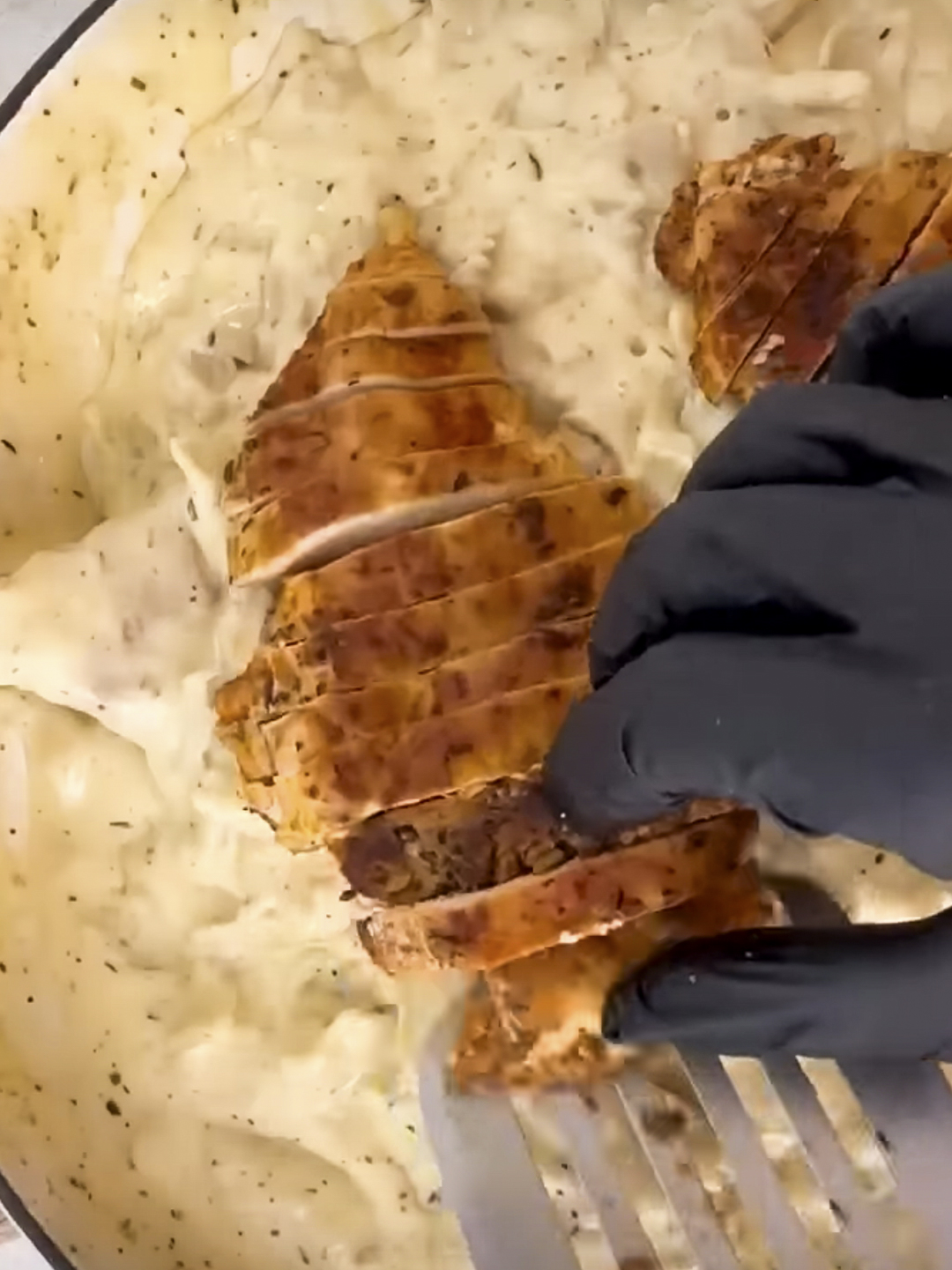
- Slice the seared cutlets into strips. Arrange over the noodles, scatter with fresh chopped parsley, and serve immediately.
-
-
Secrets to Tender, Juicy Pan-Seared Chicken
The first time I cooked this for friends, I threw the thick breasts into an over-crowded skillet. They steamed in their own juices, turned sad, pale-gray color and came out shoe-bottom rubbery. That was a lesson, telling me to pound the thick pieces of chicken horizontally into cutlets, so they could get some proper browning heat on both sides and not steam themselves in a hot pan.
Cutlets of medium thickness will brown beautifully in a hot pan, but thin ones will burn before they brown. To avoid spongy, boiled chicken, always make sure there is no moisture on the surface of cutlets before you put them in the pan. The pan needs to get hot enough to brown the meat, not to boil the water off the surface.
“Drop the cutlets into smoking-hot fat and do not touch them for at least four minutes. That undisturbed contact builds the savory crust that seasons your entire cream reduction.”
You can hear the difference when the meat hits properly heated oil. It should produce a sharp, sizzling crackle right away. If it merely hisses quietly, your skillet needs another minute to get hot.

Building an Ultra-Smooth Garlic Cream Sauce
A silky skillet sauce is all about temperature and quality in the ingredients. Bags of pre-shredded cheese have been coated with starch and cellulose to prevent clumping during storage. The same coating, however, keeps cheese from melting smoothly and consistently, leaving unpleasant bits of texture in your dish.
It is important to always buy a wedge of real parmesan cheese and grate it yourself. The difference in taste and mouthfeel between the two is significant. Real cheese melts smoothly and evenly without a stringy, grainy aftertaste.
Keep a close eye on the garlic as it cooks in the pan. Garlic has natural sugars that become bitter and unpleasant when burnt. Sixty seconds of coaxing out the flavor in melted butter will be enough to release the delicious oils from the tiny cloves without burning them.
Make sure to turn off the heat before adding the cheese to melt it in the warm pan. Boiling the dairy product will cause the milk proteins to bind together and turn into lumps of rubbery material. The residual heat in the pan will be sufficient to melt the dairy smoothly and seamlessly into the dish.
Selecting the Best Pasta Shape for Cream Sauces
Not every noodle plays well with rich pan reductions. Light strands like angel hair quickly drown and clump under heavy cream. You need noodles with ridges, hollow tubes, or broad flat surfaces that capture every drop.
Penne rigate remains my favorite pick here. The ridges along the exterior hold tight to the dairy coating, ensuring each forkful carries balanced flavor.
How to Store and Reheat Leftovers
Store leftovers in an airtight container in the refrigerator for up to 4 days. As the skillet cools, the starches and dairy fats in the pasta will bind together into a thick gel. This is perfectly normal.
Avoid reheating dairy-based pasta at full power in the microwave, as it separates the fat from the sauce. Microwaving causes high, direct heat which breaks the emulsion, resulting in dry pasta noodles suspended in liquid oil.
Reheat leftover pasta on the stove-top over low heat in a skillet. Add a few tablespoons of fresh milk, broth or water to the cold pan and stir the pasta with a rubber spatula until steaming. The added liquid encourages the emulsified butter and dairy to fully bind to the pasta once again.
Avoid freezing this pasta dish, as the dairy components become grainy when thawed. All trace of smoothness and creaminess texture is lost after being frozen and thawed.
Simple Swaps and Add-Ins
This recipe is adaptable to whatever fresh vegetables you may have on hand in your crisper drawer. Two cups fresh baby spinach tossed into the pan during the last two minutes of cooking will wilt to a tender consistency without diluting the creaminess sauce.
For a touch of tangy acidity, stir in a quarter cup of chopped, oil-packed sun-dried tomatoes with the sautéed garlic. Their sweet essence cuts through the richness of the grated cheese.
The dish can be made with peeled shrimp instead of cutlets. Cook the seasoned shrimp for two minutes on each side until pink, then set them aside and toss into the sauce just before serving.
Frequently Asked Questions
Can I use half-and-half instead of heavy whipping cream?
You can, but the sauce will be thinner and requires closer monitoring. Half-and-half contains more water and less fat, making it more prone to curdling if boiled. Simmer gently and simmer a minute longer to reach your desired thickness.
Why did my cheese clump together in the skillet?
Cheese clumps when introduced to high heat or when using pre-bagged varieties coated with cellulose. Remove the pan from the heat source and whisk the freshly grated cheese in small increments until dissolved.
Why should I save pasta water before draining?
Starchy cooking water works as an emulsifier. When your dairy reduction gets too thick from cooking down, adding two tablespoons of hot, starchy water brings the sauce back to a smooth, clinging glaze.
Can I make this dish ahead of time?
You can sear the meat and boil the noodles ahead, storing them separately in the fridge. For the best texture, prepare the fresh garlic cream sauce right before serving and toss everything together hot.
What side dishes are you planning to serve alongside your pasta bowl tonight?