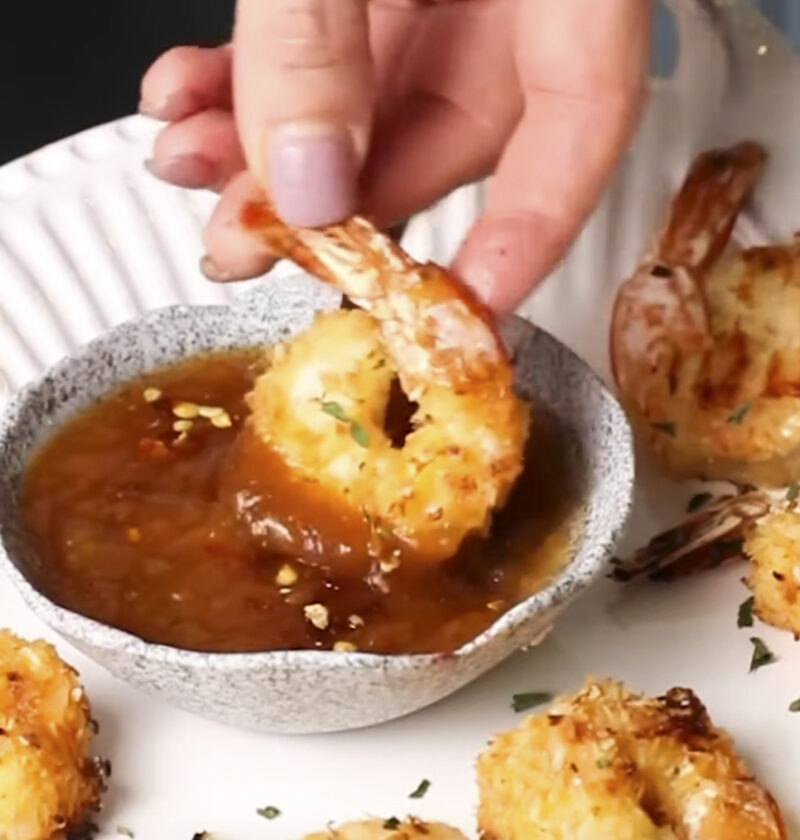
Every December, golden coconut shrimp is the most requested dish in any home kitchen during the holidays. Guests will come to a party and skip the cheese board and cured meats the second that warm platter of fried seafood hits the table. To replicate that restaurant-quality crunch without having to set up a deep fryer can sound like a lot, but with high heat baking, it’s actually simple. Set up your dredging station with three easy steps, and you’re ready to toss your raw shrimp into the coconut flakes for a dish that will have everyone asking for seconds.
This is a great recipe to have up your sleeve when you want to keep holiday cocktails flowing without missing a beat. The crunch is perfect, but the sweet meat inside is something you’ll remember long after the last guest has left.
Key Takeaways
Easy Crispy Baked Coconut Shrimp Appetizer for New Year’s Eve
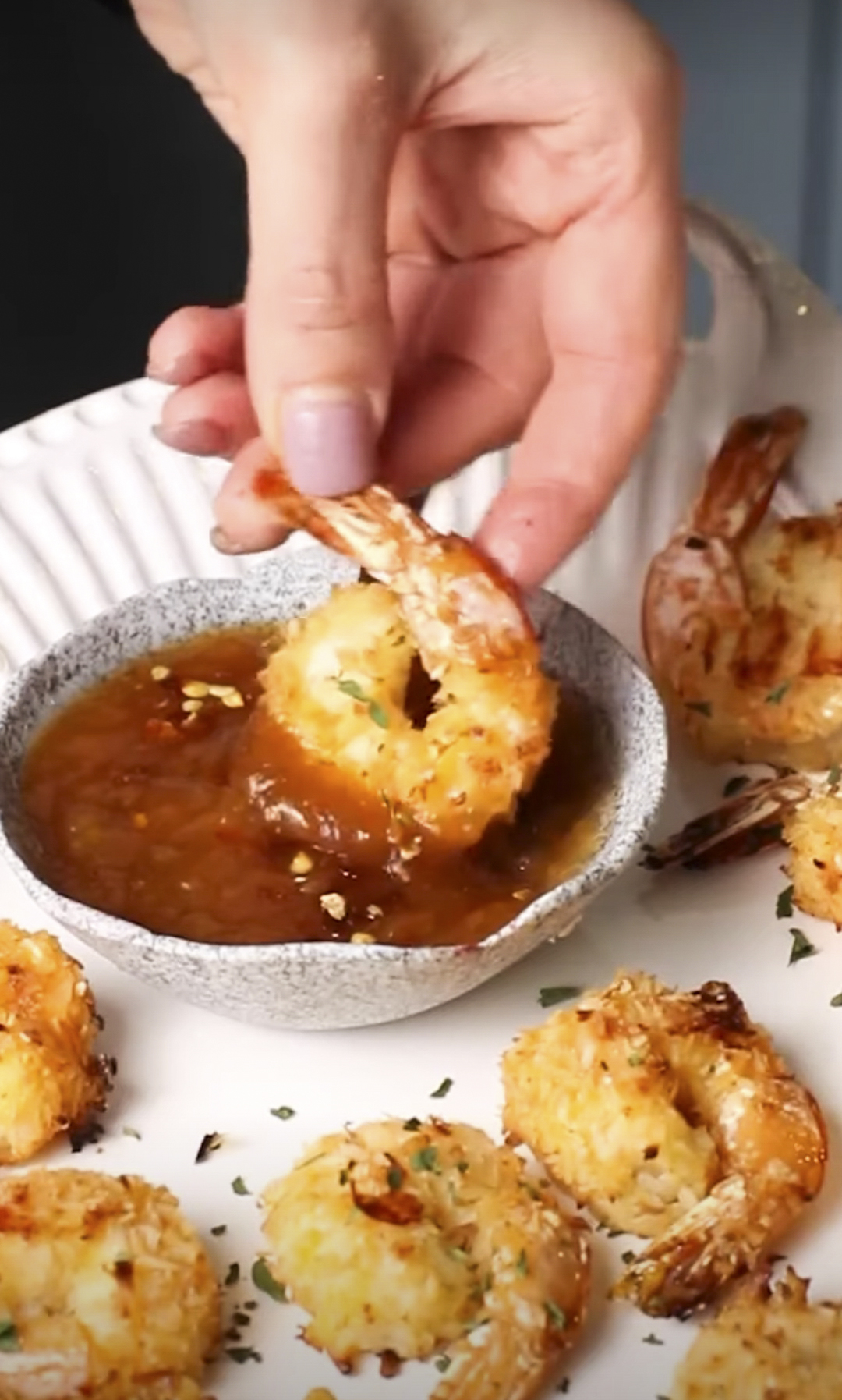
Plump jumbo shrimp coated in toasted flaked coconut and airy panko, baked crisp on a wire rack for festive midnight gatherings.
Ingredients
-
-
- 1 pound raw jumbo shrimp (16/20 count), peeled and deveined, tails left intact
-
- 1 cup unsweetened shredded coconut flakes
-
- 1 cup Japanese panko breadcrumbs
-
- 1/2 cup unbleached all-purpose flour
-
- 1 teaspoon garlic powder
-
- 1/2 teaspoon smoked Spanish paprika
-
- 1/2 teaspoon kosher salt
-
- 1/4 teaspoon ground black pepper
-
- 2 large eggs, beaten at room temperature
-
- 1 tablespoon warm water
-
- Cooking oil spray (avocado oil or light olive oil)
-
- Fresh lime wedges, for serving
-
- 2 tablespoons chopped fresh cilantro, for garnish
-
Necessary Utensils & Equipment
-
-
-
- Large rimmed baking sheet
-
- Oven-safe metal wire cooling rack
-
- Three shallow wide bowls or pie plates
-
- Paper towels
-
- Whisk
-
- Kitchen tongs
-
- Measuring cups and spoons
-
-
Instructions
-
-
-
- Preheat your oven to 400°F (200°C). Position a rack in the center of the oven.
-
- Set an oven-safe wire cooling rack directly inside your rimmed baking sheet and generously mist the rack with oil spray to prevent sticking.
-
- Pat the peeled, deveined shrimp thoroughly dry with clean paper towels. Removing excess moisture keeps the crust clinging tightly during baking.
-
- Set up your dredging station using three shallow bowls: In the first bowl, combine the flour, garlic powder, smoked paprika, salt, and black pepper. In the second bowl, whisk together the eggs and water until smooth. In the third bowl, stir together the unsweetened shredded coconut and panko breadcrumbs.
-
- Working one by one, pick up a shrimp by its tail and dip it into the seasoned flour, shaking off any excess powder.
-
- Dunk the shrimp into the egg wash, allowing extra liquid to drip back into the bowl.
-
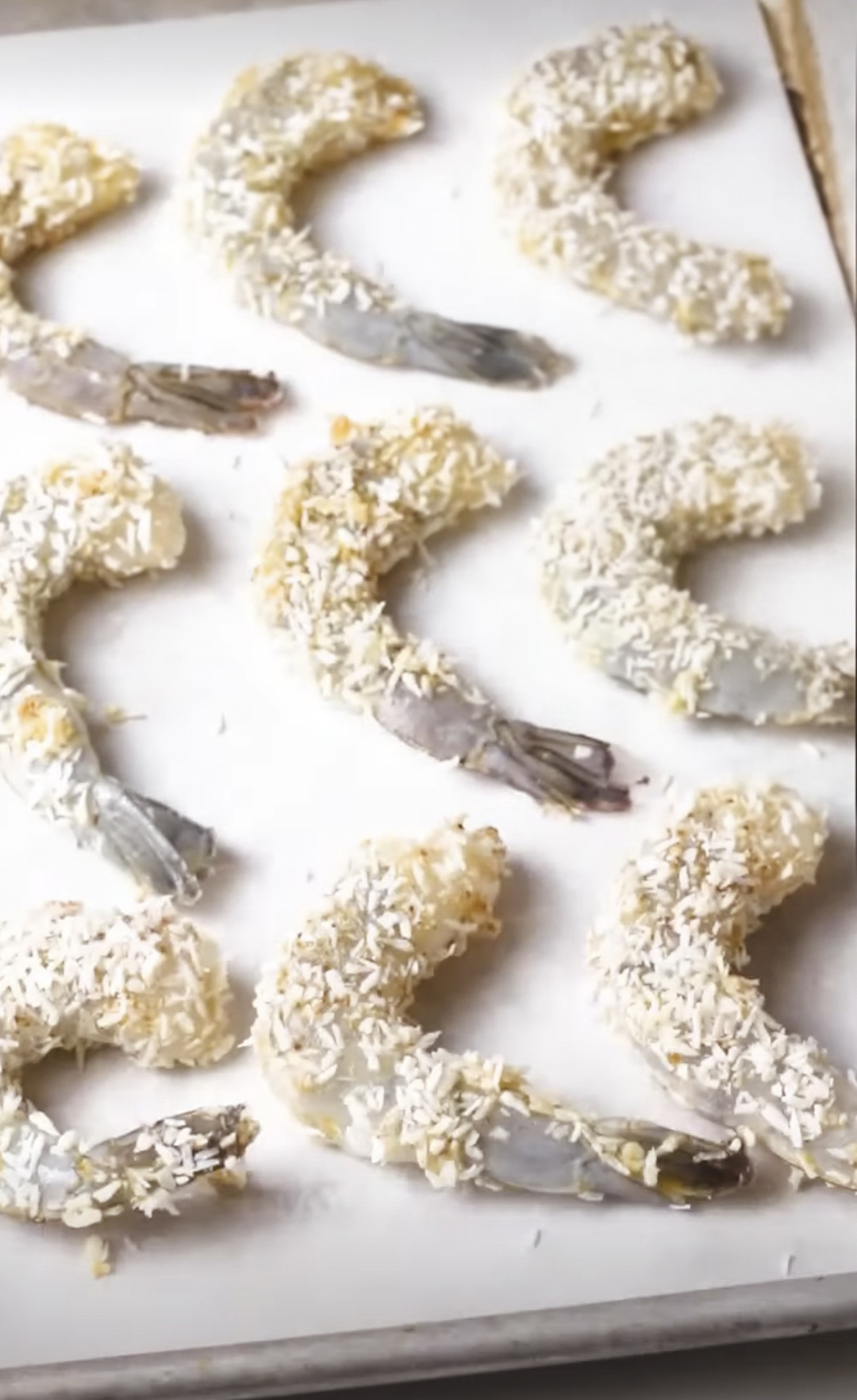
- Press the shrimp firmly into the coconut-panko mixture, turning to coat all sides evenly. Use your fingers to gently pack the crumb mixture onto the seafood.
-
- Arrange the coated shrimp on the prepared wire rack in a single layer, making sure they do not touch each other.
-
- Mist the tops of the shrimp lightly with oil spray. This step gives the panko and coconut flakes a rich, even browning.
-
- Bake in the preheated oven for 15 to 18 minutes, or until the exterior is deeply golden and crisp, and the shrimp flesh turns opaque and pink. (If cooking in two smaller batches, bake each batch for roughly 15 minutes).
-
- Transfer the baked shrimp to a warm serving platter, sprinkle with fresh cilantro, and serve immediately with fresh lime wedges and your favorite dips.
-
-
The first time I baked coconut shrimp for a holiday gathering, I made the mistake of dumping them directly onto a greased flat sheet pan. Halfway through the timer, moisture pooled underneath the breading, turning the bottoms soft while the delicate coconut tips toasted too fast.
Moving the shrimp onto an elevated wire rack changed everything. Hot air circulating above and beneath each piece produces a true restaurant snap without any soggy bottoms or grease stains on your festive tablecloth.
The Secrets to Shatteringly Crispy Baked Shrimp
Baking seafood instead of deep frying has an unfair reputation for being pale and rubbery, but an easy fix exists. Two adjustments to the standard breadcrumb and egg wash are all that it takes to banish grayish, sagging skin from your kitchen. A 1:1 mix of coarse panko breadcrumbs to flaked coconut produces a crackling crust that stands up to several hours in a warm oven. The sweet flavor of coconut complements the briny flavor of the seafood, but the panko provides necessary texture to stand up to the heat.
Hot air does most of the work, too – laying a wire rack in your baking sheet creates an empty space beneath each piece of seafood that allows the hot air to circulate unimpeded. This prevents moisture from causing sogginess by trapping it in a warm, damp pocket beneath your dish.
Pro Tip: Always use unsweetened shredded coconut instead of sweetened baking flakes. Sweetened flakes carry excess moisture and high sugar levels that scorch quickly at 400°F before your shrimp cooks through.
A light mist of avocado oil spray over the breading creates another huge advantage. That tiny film of fat helps the dry crumbs catch heat, giving you that rich, golden glow typical of hot oil frying without the lingering mess.
Choosing and Prepping Your Shrimp
Choosing the right kind of seafood is essential for this appetizer. Make sure to use raw jumbo shrimp, preferably, 16/20 shrimp per one pound. Avoid using smaller sizes as they will be overdone by the time the coconut pieces will start to turn golden.
It is better to take frozen shrimp rather than fresh ones from the counter. Those placed on crushed ice are usually previously frozen and then thawed, making their quality decrease rapidly. Pay attention to the list of ingredients on the bag and take only those that have shrimp, water, and salt as ingredients and do not include sodium tripolyphosphate.
Take time to prep each piece correctly before you begin breading:
- Thaw frozen shrimp overnight in the refrigerator, or submerge the sealed bag in cold tap water for twenty minutes.
- Peel away the outer shell completely, but leave the tail shell attached to provide a built-in handle for dipping.
- Check the back ridge for the dark digestive tract and slice shallowly to remove it with the tip of a paring knife.
- Pat every single piece completely dry with paper towels to help the seasoned flour adhere.
When you bite into a freshly baked piece, you will hear a clear, audible crunch the second your teeth break through the coconut crust into the plump, steaming meat.
Setting Up a Mess-Free Dredging Station
Dredging food prior to a party can easily turn into a disaster if you are not efficient in your task. The trick is to use a wide and short container and two hands. Place it into a straight line starting from the left to the right side.
Let the first bowl be your seasoned flour, the second one be your beaten egg wash, and the third one will contain your coconut-panko mix. To the right of it, place your wired baking sheet that will hold the baked shrimp.
Now, let your left hand be a ‘dry hand’ and the right one be a ‘wet hand’. Take the raw shrimp with your left hand and dip it into the first bowl of flour. Then, take it off and let your right hand submerge it into the egg wash. After it, move the shrimp on the right side into a bowl of coconut-panko mix and press it firmly. Finally, place the dredged shrimp onto the baking rack with your left hand.
Keeping your hands dry and wet separately will prevent any sticky batter from clinging to your skin while preparing shrimp.
Party Sauce Pairings for New Year’s Eve
A good dipping sauce pulls the whole appetizer together by balancing sweet coconut with bright acidity or bold heat. Offering two contrasting sauces gives your guests variety without loading extra prep onto your schedule.
Sweet Chili Lime Dip
Stir three tablespoons of bottled sweet Thai chili sauce with one tablespoon of fresh lime juice and a dash of fish sauce. The citrus cuts right through the natural sweetness of the coconut, leaving a clean, zesty finish that pairs naturally with champagne.
Creamy Sriracha Garlic Dip
Whisk together half a cup of mayonnaise, two teaspoons of sriracha chili paste, one minced garlic clove, and a teaspoon of fresh lime juice. The cool, creamy base tames the mild heat, while the garlic brings a savory punch that balances the golden crust.
Spicy Mango Coulis
Blend one cup of ripe frozen mango chunks with one tablespoon of honey, a splash of water, and half a diced jalapeño pepper. This bright, fruity sauce brings tropical flair that brightens up chilly winter celebrations.
Make-Ahead and Storage Tips
Holiday hosting is ideal when you can leave the cooking for a while and have the time to mingle with your guests. Fortunately, this appetizer can be prepared in advance without losing its crunch.
The shrimp can be breaded up to four hours before the party. Place the breaded shrimp on a wire rack on a sheet pan and store it in the fridge, covering it loosely with wax paper. Make sure that there is no plastic touching the coating directly since it will hold the moisture. Right before your guests arrive, spray the shrimp with oil and bake them in a hot oven.
To make it even earlier, you can freeze the breaded raw shrimp for two hours on a parchment paper before placing them in the freezer. When they are frozen, you can store them in a bag or airtight container for up to a month. Baked them directly from the freezer but add three to four minutes to the baking time at 400 F.
If you have any left, you can store them in a ventilated container in the fridge for up to two days. You can reheat the shrimp in the oven or air fryer for five minutes at 375 F to restore their crispy texture. Avoid using the microwave since it will make the seafood rubbery and the breading soggy.
Frequently Asked Questions
Can I make this coconut shrimp appetizer in an air fryer?
Yes, the air fryer works remarkably well for this recipe. Set your air fryer to 380°F and cook the breaded shrimp in a single layer with space between each piece. Cook for eight to ten minutes, shaking the basket gently halfway through, until the coconut flakes turn crisp and deeply golden.
Should I use sweetened or unsweetened coconut?
Unsweetened shredded coconut produces far better results. Sweetened coconut contains added moisture and corn syrup that burn quickly under intense dry heat. If you only have sweetened coconut on hand, lower your oven temperature to 375°F and monitor the shrimp closely to prevent the edges from charring.
Can I make this recipe gluten-free?
Swapping regular ingredients for gluten-free staples is very straightforward here. Replace the all-purpose flour with a 1-to-1 gluten-free baking blend or white rice flour, and trade standard panko for gluten-free panko breadcrumbs. The crunch remains just as satisfying as the original version.
Why did the coconut coating fall off my shrimp?
Coating separation usually happens when the shrimp surface carries excess moisture or when the dry flour layer is applied too heavily. Always pat your shrimp dry before starting. Shake off any excess flour vigorously so only a sheer, dusty layer remains before dipping the seafood into the egg wash.
Are you serving this crispy batch alongside champagne at midnight, or pairing it with classic party finger foods for the countdown?