
Perfection in the kitchen rarely comes from fancy tricks or obscure ingredients; true holiday magic lives in simple, honest staples treated with care. By using thick slices of bakery bread, farm-fresh eggs, spiced store-bought or homemade eggnog and a generous grating of fresh nutmeg you end up with a morning bake that blows out of the water expensive hotel brunches. You don’t need twenty different steps or a restaurant line cook standing over a griddle feeding everyone at once.
The first time I tried making an overnight holiday breakfast bake I used whatever slices of sandwich bread happened to be in my pantry. In the morning the whole dish had collapsed into a soggy unappealing mush that killed my holiday spirit. That debacle taught me all I needed to know about how to choose the right crusty loaf.
After switching out thin machine cut slices of light wheat bread for thick hand-torn chunks of rich brioche and letting the spiced custard soak in without them falling apart it opened up a world of possibilities. This golden make-ahead breakfast has a crisp caramelized top layer with a pillowy custard center that tastes like bread pudding. Best of all you can have a cup of hot coffee next to the tree by sitting down instead of standing over a hot stove flipping soggy toast slices one by one.
Key Takeaways
Easy Make-Ahead Eggnog French Toast Casserole for Christmas Morning
Rich eggnog custard baked into golden brioche cubes with a crunchy brown sugar pecan crust.
Ingredients
-
-
- 8 cups brioche or challah bread, cut into 1-inch cubes (stale or lightly toasted)
-
- 4 large eggs, room temperature
-
- 1 1/2 cups traditional dairy eggnog (full fat works best)
-
- 1/2 cup whole milk
-
- 2 tablespoons melted unsalted butter
-
- 1 teaspoon pure vanilla extract
-
- 1/2 teaspoon ground cinnamon
-
- 1/4 teaspoon freshly grated nutmeg
-
- 1/4 teaspoon fine sea salt
-
- 1/3 cup packed dark brown sugar (for streusel topping)
-
- 1/2 cup chopped pecans (optional)
-
- 2 tablespoons cold unsalted butter, cubed small (for streusel topping)
-
Necessary Utensils & Equipment
-
-
-
- 8×8-inch or 9×9-inch ceramic or glass baking dish
-
- Large mixing bowl
-
- Medium mixing bowl
-
- Whisk
-
- Measuring cups and spoons
-
- Pastry cutter or fork
-
- Aluminum foil
-
-
Instructions
-
-
-
- Grease your baking dish thoroughly with softened butter or neutral cooking spray.
-
- Spread the bread cubes evenly across the prepared baking dish, gently pressing them down into a uniform layer.
-
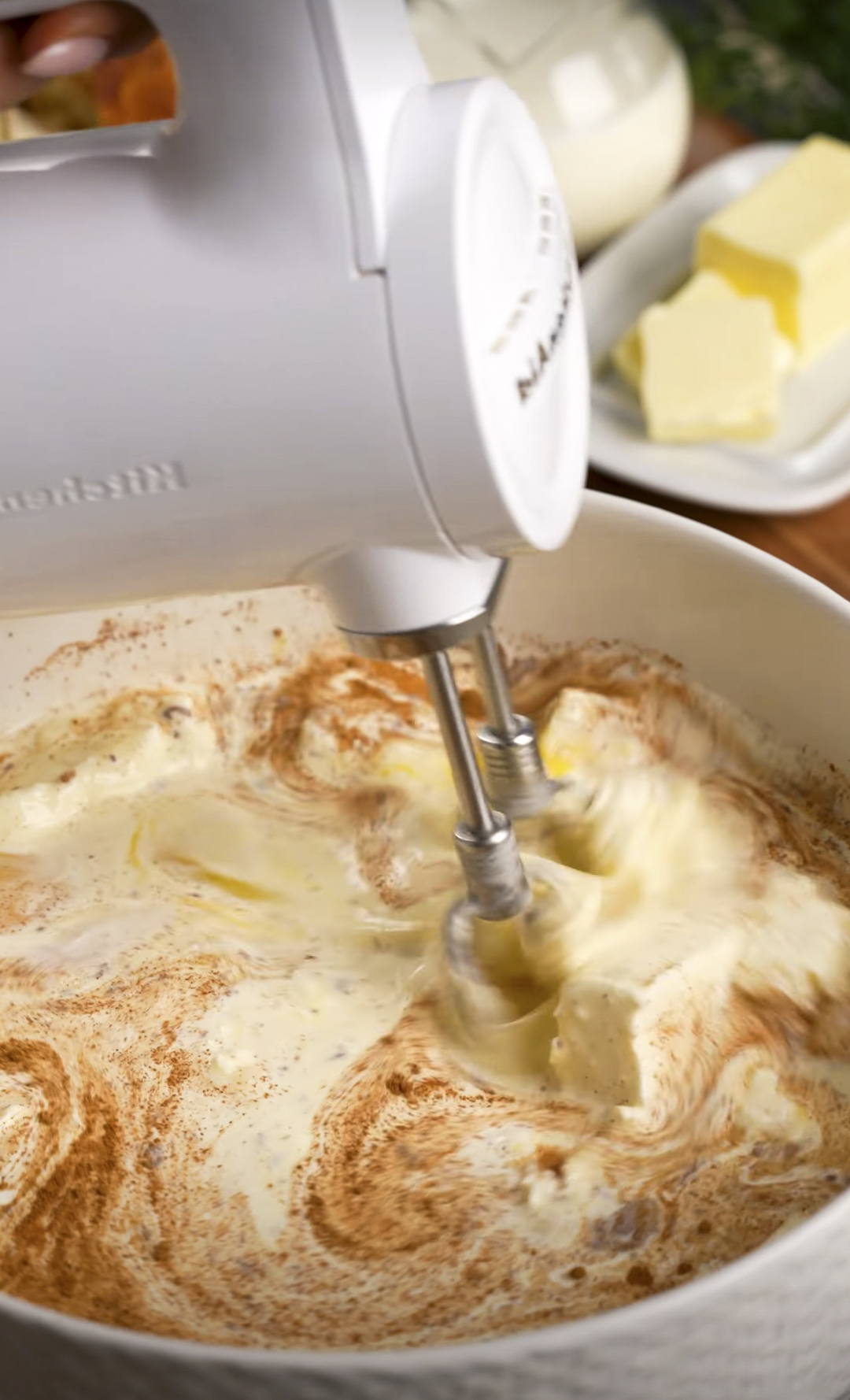
- In a large bowl, whisk together the eggs, eggnog, whole milk, melted butter, vanilla extract, cinnamon, grated nutmeg, and salt until completely smooth.
-
- Pour the eggnog mixture slowly and evenly over the bread cubes, making sure every corner piece gets coated. Gently press the bread down with your hands or a flat spatula so it drinks in the liquid.
-
- Cover the dish tightly with aluminum foil and refrigerate for at least 4 hours, or overnight for up to 12 hours.
-
- When ready to bake, preheat your oven to 350°F (175°C). Remove the casserole from the refrigerator and let it sit at room temperature for 15 minutes to take off the chill.
-
- In a medium bowl, combine brown sugar, chopped pecans, and cold cubed butter using a fork or pastry cutter until crumbly. Sprinkle this topping evenly over the soaked bread.
-
- Bake uncovered at 350°F for 28 to 32 minutes, until the custard is set in the center and the edges bubble with deep golden brown caramelization.
-
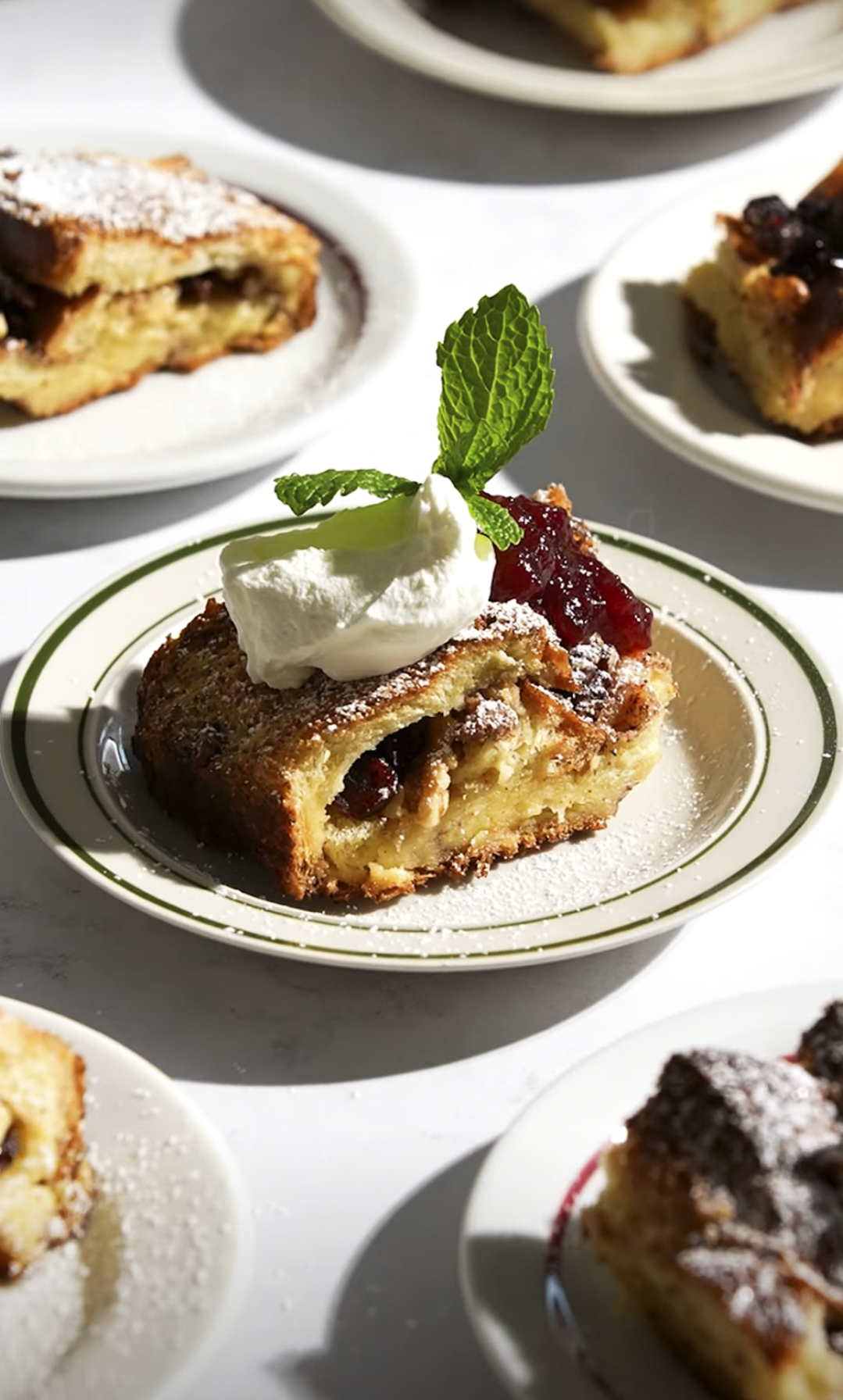
- Let rest for 5 to 10 minutes before slicing. Dust with powdered sugar and serve warm with real maple syrup.
-
-
Why This Bake Beats Restaurant French Toast Every Single Time
Most breakfast restaurants use commercial griddles. A commercial griddle will cook a thin slice of food fast under very hot conditions but leave the center undercooked and scorched edges. Worse, the batch has to be prepared on order. One customer gets their plate served as the next one is just finishing its ten-minute wait.
Cooking at home controls the soak period and heat gradient for the best results. Baked custard-soaked bread in a large ceramic dish produces a luscious contrast that a flat diner grill couldn’t achieve. Crispy points on the top meld into caramelized sugar cracks from the pecans with creamy custard that melts on the tongue.
There is also the issue of the eggnog quality. A lot of diners use artificial holiday flavoring or use watered-down syrup to imitate the seasonal flavor. When assembling this oneself, one controls the dairy base. Using real holiday eggnog with farm eggs and freshly grated nutmeg produces real comfort that commercial kitchens would cheap out on.
Choosing the Best Bread for Make-Ahead Success
The loaf you choose makes or breaks this entire dish. Soft, airy sandwich bread turns into mush within twenty minutes of meeting the custard. You need a bread with a tight crumb, rich structure, and enough resilience to stay distinct after a long overnight soak in heavy dairy.
Here are the top three bread styles that yield phenomenal results:
- Brioche: Loaded with butter and eggs, brioche holds its shape while softening into an almost cake-like texture. It absorbs the eggnog without losing its golden crust edges.
- Challah: Similar to brioche but slightly less sweet, challah absorbs egg mixture like a sponge while providing wonderful chew along the braided crust lines.
- French Bread or Ciabatta: If you prefer a less sweet breakfast, rustic French bread provides toothsome chew and larger air pockets that hold custardy pockets beautifully.
Whichever loaf you pick, make sure it is dry. Fresh, soft bread straight from the bakery bag cannot take in enough moisture. Slice your bread into one-inch cubes the day before and leave them spread across a sheet pan on your counter for several hours. If you are short on time, toast the cubes in a 300°F oven for eight to ten minutes to dry them out.
Pro Tip: Stale bread is thirsty bread. Dehydrating your bread cubes in a low oven before soaking ensures they absorb maximum eggnog flavor without ever dissolving into mush.
Balancing Eggnog and Eggs for the Right Texture
Pure eggnog straight from the carton is surprisingly thick, heavy on sugar, and packed with heavy cream. Using eggnog on its own without cutting it through with eggs and milk makes for an overly dense, cloying casserole that can easily burn to a charcoal crisp on the bottom before the center is even set.
The trick is to cut through the heavy creaminess of the eggnog with some whole milk and whole eggs. Four large eggs provide just enough protein to firm up two full cups of liquid into tender slices. The splash of whole milk will thin the mixture enough to allow the custard to flow right to the center of every bread cube.
Don’t forget a pinch of salt, either. Salt seems an odd addition to a sweet morning treat, but eggnog has a heavy hand of sugar in it. A quarter teaspoon of fine sea salt tempers the heavy richness and pulls the warm cinnamon and nutmeg spices forward.
How to Prepare Your Dish the Night Before Without Stress
Christmas morning should be peaceful, calm, and spent with family. The beauty of this recipe is that all fifteen minutes of hands-on work happen on Christmas Eve. You clean the kitchen before you go to bed, leaving only two simple tasks for the morning: topping and baking.
Here is the exact timeline I follow for an effortless morning:
- Christmas Eve Afternoon: Cube the bread and let it sit uncovered to dry out. Mix the brown sugar, pecans, and butter in a small bowl, cover it, and keep it in the fridge.
- Christmas Eve Night (around 9 PM): Whisk the custard together, pour it over the bread in your baking dish, cover tightly with foil, and tuck it into the refrigerator.
- Christmas Morning: Pull the casserole out when you put on the coffee. Preheat the oven, scatter the chilled streusel topping over the top, and slide the dish into the oven.
When the baking timer rings, the heavenly scent of toasted pecans, melted butter, and sweet nutmeg will fill your entire home. It alerts everyone that breakfast is ready without you needing to shout or rush around.
Troubleshooting and Pro Tips
How to Fix or Avoid a Soggy Center
If your casserole seemed runny or puffy in the center after thirty minutes, you’re probably using a deep baking dish. Dishes that are deep on the sides shield the filling, preventing it from getting direct heat. Simply pop it back in the oven for five to eight minutes. Or tent the casserole with foil to keep the brown sugar streusel from burning.
Another cause of a prematurely baked casserole is a cold ceramic baking dish. When you place a chilled stoneware casserole dish directly on the oven rack from your refrigerator, it will take fifteen minutes to even out the temperature. Try placing the casserole on your kitchen counter to come up to room temperature as your oven preheats.
Variations for Flavor
Although the eggnog casserole has a difficult-to-improve-upon flavor profile, you can prepare variations using different fruits and aromatics to suit the tastes of your family and friends. For example, you could fold in a cup of fresh cranberries for a tart note that complements the sweetness of the eggnog custard. The cranberries will explode in the hot oven, adding bursts of color to the bread cubes.
If your guests like the traditional eggnog flavor in their holiday drinks, try adding a tablespoon of dark rum or bourbon to the custard before pouring it into the casserole dish. The alcohol will cook off in the oven, adding warm notes of caramel and vanilla to the casserole that take it to a new level of flavor.
Frequently Asked Questions
Can I make this eggnog French toast casserole without nuts?
Yes, absolutely. The chopped pecans in the topping add pleasant crunch, but they are completely optional. You can substitute equal amounts of rolled oats for crunch, or simply mix brown sugar and cold butter together for a smooth cinnamon-sugar crust.
Can I use non-dairy eggnog like almond or oat nog?
Non-dairy nog products work, but keep in mind that plant-based eggnogs are generally thinner than traditional whole milk and cream eggnog. If you use oat nog or almond nog, skip the half cup of whole milk and use two full cups of the plant-based nog to keep the custard rich enough to bind the bread.
How do I store and reheat leftovers?
Cool any leftover squares completely before transferring them to an airtight container. Keep them in the refrigerator for up to three days. To reheat, place individual portions on a baking sheet in a 350°F toaster oven for eight to ten minutes to restore the crispy top, or microwave on medium power for 45 seconds for a soft, comforting pudding texture.
Can I bake this casserole immediately without chilling overnight?
If you forgot to prep the night before, you can still make this dish. Let the bread sit in the custard for at least thirty minutes at room temperature so the cubes drink in enough liquid before baking. If you bake it right away without any resting time, the custard will pool at the bottom of the pan instead of soaking into the bread.
What holiday morning tradition does your family look forward to most around the breakfast table?