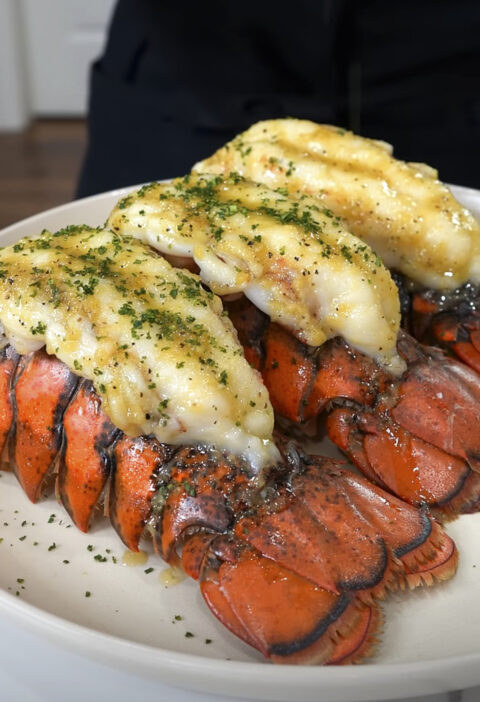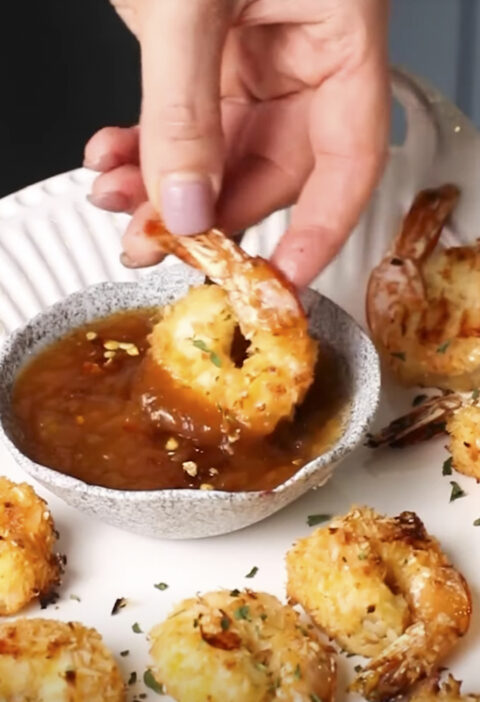
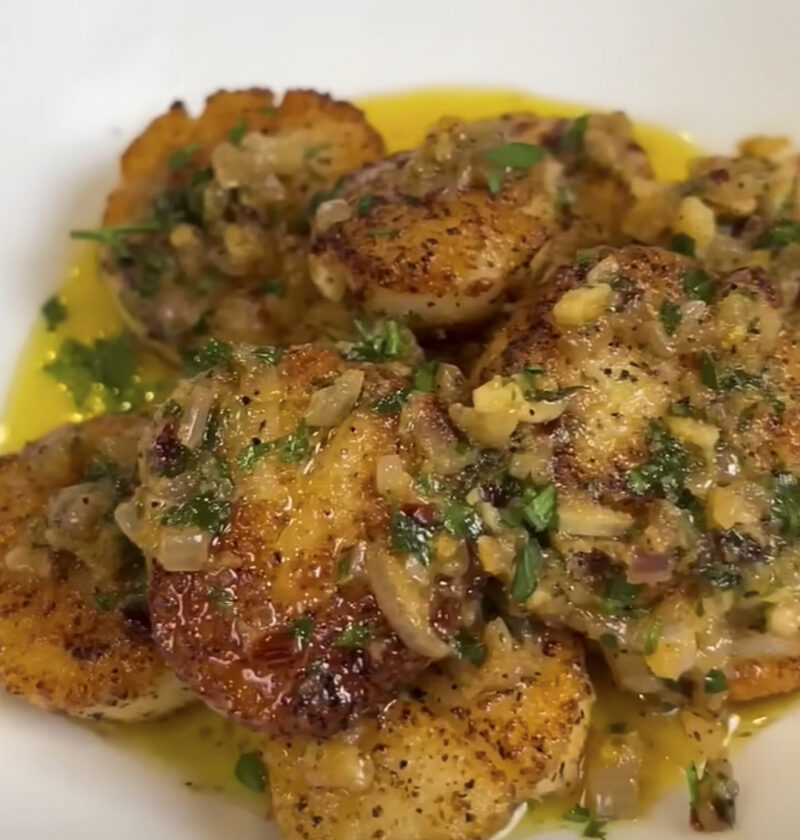
There are certain ingredients that when combined can make any basic seafood meal into a restaurant quality dish. A knob of butter (unsalted), half a lemon and two cloves of garlic can give you a restaurant quality meal in minutes. As there is no marinade required, and all you need is a hot pan, heavy based pan and quality sea scallops, it makes for a quick meal when those cravings hit on a busy weeknight.
The key to the crispy and golden outside, and soft center is only a few minutes cooking. Once you understand how to cook the moisture out of the surface, and the right pan temperature, you’ll never have to pay restaurant prices for scallops again! Below is my recipe, but here is the key principles to ensure your scallops come out perfectly every time.
Key Takeaways
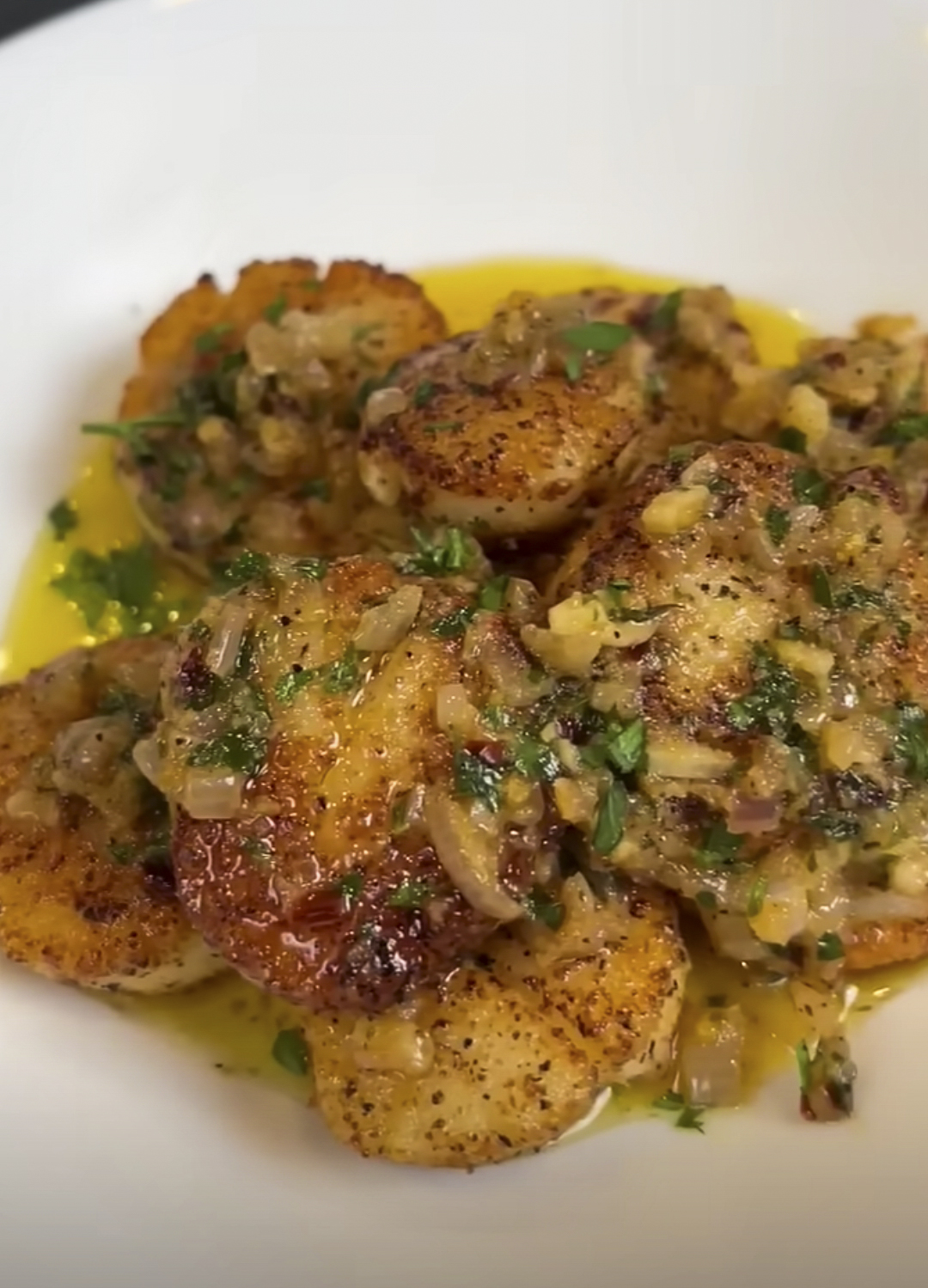
Crispy Pan-Seared Lemon Butter Scallops
Sweet jumbo sea scallops seared to a golden crisp and spooned with a nutty garlic-lemon pan sauce.
Ingredients
- 1.5 pounds wild-caught sea scallops (approx. 16-20 count, dry-pack preferred)
- 1 tablespoon high-smoke-point neutral oil (such as avocado or grapeseed)
- 4 tablespoons unsalted butter, cubed and kept cold
- 3 medium cloves garlic, finely minced
- 2 tablespoons fresh lemon juice (about half a juicy lemon)
- 1/2 teaspoon lemon zest
- 1/2 teaspoon kosher salt (plus extra to taste)
- 1/4 teaspoon freshly cracked black pepper
- 2 tablespoons chopped Italian flat-leaf parsley
Necessary Utensils & Equipment
-
-
- 12-inch heavy cast-iron skillet or stainless-steel pan
-
- Paper towels
-
- Stainless steel kitchen tongs or fish spatula
-
- Fine-mesh microplane or zester
-
- Measuring spoons
-
- Large plate for resting cooked scallops
-
Instructions
-
- Prep the shellfish: Check each scallop for the small, tough rectangular side muscle (the “foot”). If still attached, pinch it off with your fingers and discard. Arrange scallops on a flat plate lined with multiple layers of paper towels. Press another sheet of paper towels firmly over the top. Let them rest at room temperature for 10 minutes to wick away excess water.
- Heat the pan: Set your heavy skillet over medium-high heat for a full 4 to 5 minutes until dry and thoroughly hot. Add the neutral oil. Tilt the pan so the oil coats the entire bottom; it should shimmer and show faint wisps of smoke.
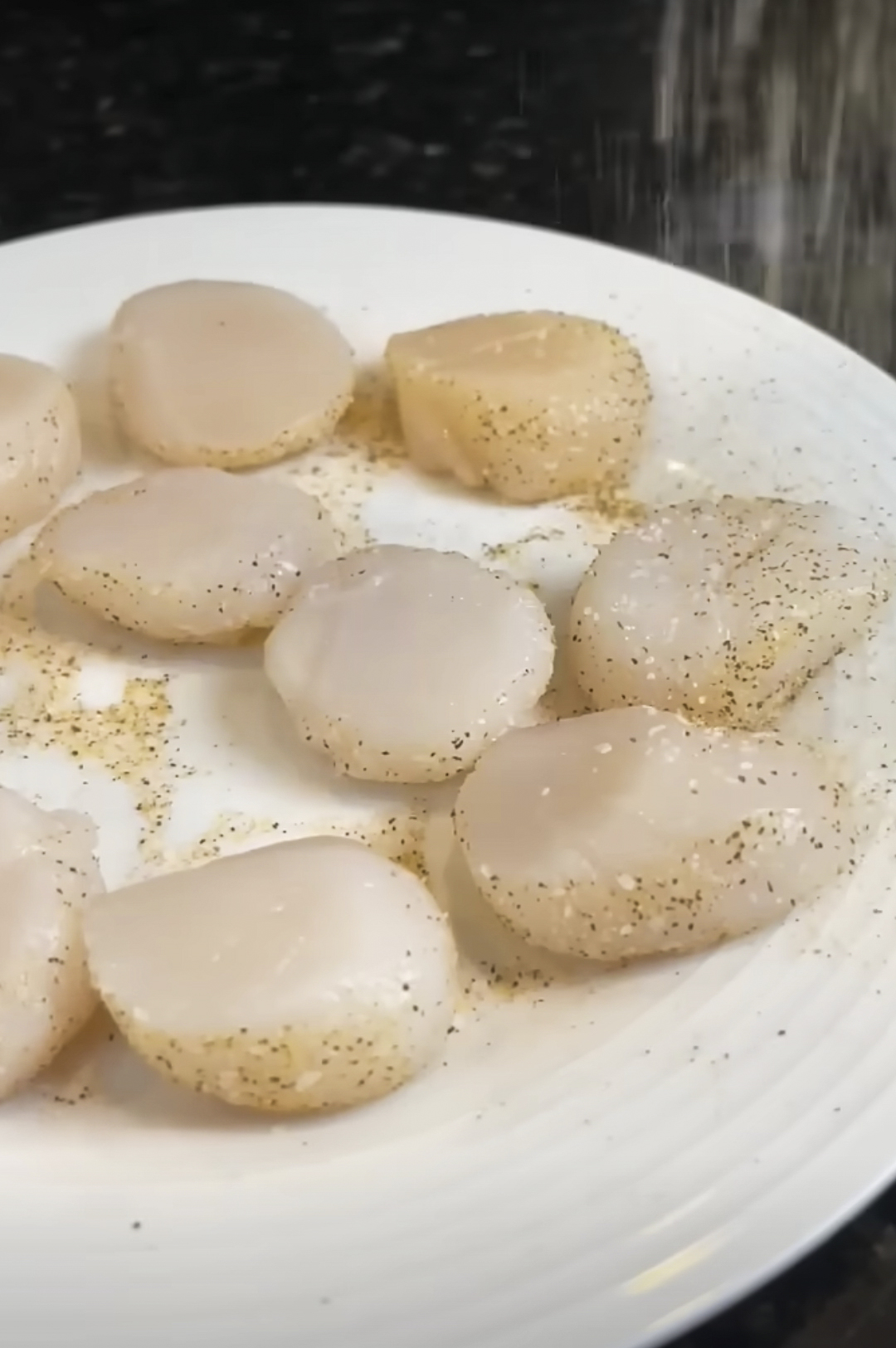
- Season right before cooking: Peel back the top paper towel. Season the exposed tops of the scallops with half the kosher salt and black pepper. Do this immediately before they enter the pan; salt draws out moisture if left sitting.
- Sear the first batch: Using tongs, place half the scallops seasoned-side down into the hot oil, working in a clockwise circle. Leave at least an inch between each piece. Season the bare tops with the remaining salt and pepper. Press each scallop down lightly with tongs for 3 seconds to ensure full surface contact.
- Hold that crust: Let them cook undisturbed for 2 to 2.5 minutes. Do not shake the skillet or peek underneath early. You will see a deep amber rim form along the bottom edges. Flip gently; they should release easily from the metal. Cook the second side for just 60 to 90 seconds until the center turns opaque. Transfer immediately to a warm plate.
- Cook the second batch: Add an extra teaspoon of oil if the skillet looks dry. Repeat the searing steps with the second batch. Transfer them to join the first batch on your plate.
- Build the pan sauce: Turn down the stove heat to medium-low. Add 1 tablespoon of butter and the minced garlic to the fond left behind. Swirl continuously for 30 seconds until fragrant, taking care not to burn the garlic. Pour in the lemon juice and deglaze the skillet, scraping up any caramelized brown bits with a wooden spoon.
- Finish and serve: Take the pan off the burner. Add the remaining 3 tablespoons of cold butter cubes, one piece at a time, swirling constantly until you have a smooth, glossy sauce. Stir in the lemon zest and parsley. Spoon the sauce around the seared scallops and serve immediately.
Why Dry Scallops Make or Break Your Dinner
I made the mistake of buying chemical preserved wet scallops the first time I cooked them. I added a dozen scallops to a pan on a low heat and what ensued was a disaster! The scallops released a bunch of liquid forming a milky pool. This boiled the meat creating little firm eraser like pieces. I ended up ordering a takeaway pizza.
This experience taught me just how important it is to buy dry pack shellfish. Any moisture on the shellfish will prevent them from getting that beautiful golden color from searing in a pan. The water on the flesh will cause the pan to boil the water rather than caramelize the sugars and proteins.
Look out when choosing your shellfish at your local fishmonger. Look for any clear signs stating dry pack or chemical free. Wet pack scallops are treated with Sodium tripolyphosphate (STPP). This causes them to soak up water, leaving you paying a premium price for tap water. Wet scallops will be very pale white, shiny and a bit see-through. Dry scallops will be a creamy, off white or even a slight pink color. They will also have a fresh sea scent.
Pro Tip: If you can only find frozen scallops, defrost them slowly in the fridge overnight on a wire rack placed on a baking tray. Press them down with clean kitchen towels 3 times before cooking.
Mastering Pan Heat and the Searing Process
Getting that delicious restaurant-style sear on your scallops comes down to some science. You want to create a high level of heat so your cast iron or heavy tri ply stainless steel pan can cook the outside quickly without burning your delicate centre. This will create a good seal.
Once your pan has had a few minutes to get hot, add your neutral oil with a high smoke point (avocado, light olive or refined grape seed). Do not cook your scallops in just butter as the proteins will burn creating a bitter taste. Add your butter at the end to help create that beautiful creamy sauce.
You should hear a loud sizzling noise as you place your scallops into the pan.
Do not move them around. Scallops will stick to the pan initially however once they start to caramelize and brown they will come away easily. If you find it difficult to lift with your tongs, leave them to cook for another 30 seconds.
How to Make a Velvety Lemon Pan Sauce
Now place your shellfish onto a plate and look at the base of your skillet. There should be a nice layer of golden brown particles stuck into the pan known as fond. This is packed full of flavour from your cooking.
Turn the heat down on your burner to prevent burning your aromatics. Add your minced garlic and cook for no longer than 30 seconds. Your kitchen should be filled with a lovely aroma. Add some fresh lemon juice to deglaze and use your wooden spoon or spatula to scrape up all those brown flavours.
You can create a restaurant quality Pan Sauce by using an old French method known as montar au beurre. This is simply adding cold cubes of butter to hot liquid off the heat. Adding the cold butter slowly to the pan off the heat will create a smooth shiny emulsion.
To finish your Pan Sauce add some freshly grated lemon zest and a big handful of fresh chopped flat leaf parsley. Spoon this over the top of your plate or drizzle it over the top of your shellfish so that the top remains crisp.
What to Serve with Pan-Seared Scallops
Because scallops cook in under ten minutes, plan your side dishes ahead of time. You want sides that soak up the lemon butter without drowning out the delicate sweetness of the shellfish.
- Parmesan Risotto: The creamy starch of Arborio rice makes a luxurious bed for crisp seafood.
- Garlic Butter Angel Hair: Toss warm pasta with olive oil, parsley, pasta cooking water, and cracked pepper for a classic trattoria feel.
- Charred Asparagus: Roast slender stalks with olive oil and sea salt at high heat to provide a smoky crunch alongside rich butter.
- Creamy Cauliflower Purée: A great low-carb alternative to mashed potatoes that complements pan-seared seafood nicely.
- Crusty Sourdough Baguette: Keep a warm, sliced loaf nearby specifically to drag through leftover lemon butter on your plate.
Troubleshooting Common Scallop Mistakes
Scallops can be temperamental, but most cooking disasters can be avoided by avoiding these 3 mistakes.
Don’t overcrowd your pan. Putting too many cold bits of protein in your pan will cause the temperature of the pan to instantly drop. The moisture on the outside will start to evaporate causing a layer of moisture to form over the pan. Instead of frying your scallops they will essentially be boiled. If your pan is not big enough to allow each scallop to have an inch of space between them, then always cook them in two batches.
Cook them for the right amount of time. Scallops are mostly water and lean muscle so don’t cook them for too long. Cook them for 2 minutes on one side and 1-2 minutes on the other. They should have small lines running horizontally along the side and the centre should give slightly when touched, like the fleshy part of your thumb.
Remove the fibrous muscle. This can be removed in a few seconds by using your fingers. Whilst it won’t affect the taste of your scallops, the fibrous muscle can be unpleasant to chew as it is quite tough.
Frequently Asked Questions
Can I make this recipe using small bay scallops instead of sea scallops?
You can use bay scallops, but you must modify your timing drastically. Bay scallops are tiny and cook through in roughly 45 to 60 seconds total. If you sear them as long as large sea scallops, they turn completely rubbery. Cook them in a scorching skillet in tiny batches for just under a minute, then immediately toss them with your prepared lemon garlic butter.
Why won’t my scallops get a dark brown crust?
A pale exterior usually means one of two things: the scallops held too much surface moisture, or your skillet was not hot enough when they hit the pan. Ensure you purchase untreated dry-pack scallops, press them thoroughly dry between several sheets of paper towels, and allow your cast-iron skillet to preheat over medium-high heat until the oil faintly smokes.
How do I store and reheat leftover seared scallops?
Store leftovers in a sealed glass container in your refrigerator for up to two days. Reheating scallops without turning them tough is tricky. Skip the microwave completely. Instead, warm a skillet with a splash of water and a dab of butter over medium-low heat, add the scallops, cover with a lid, and steam gently for 2 to 3 minutes just until warmed through.
Can I use salted butter for the lemon butter sauce?
You can use salted butter if that is what you have in your fridge, but cut the added kosher salt in the sauce recipe in half. Unsalted butter gives you complete control over the seasoning level, especially since pan reductions naturally concentrate saltiness as liquids evaporate.
Have you tried searing scallops at home yet, or do you usually save them for special restaurant outings? Leave a comment below and share your favorite side dish to serve alongside them!