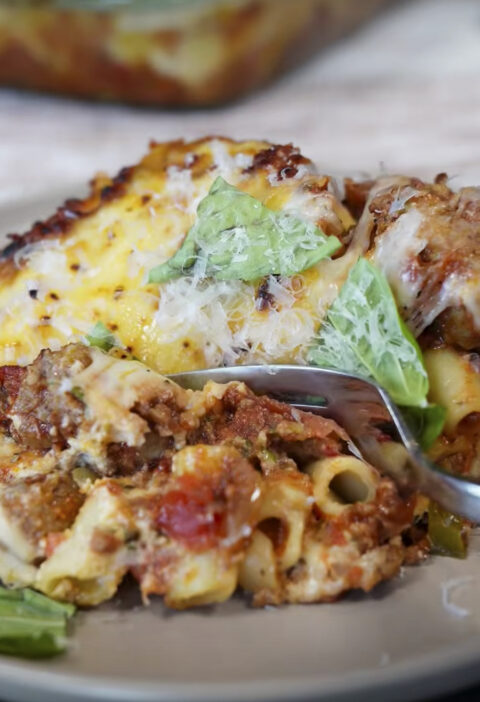
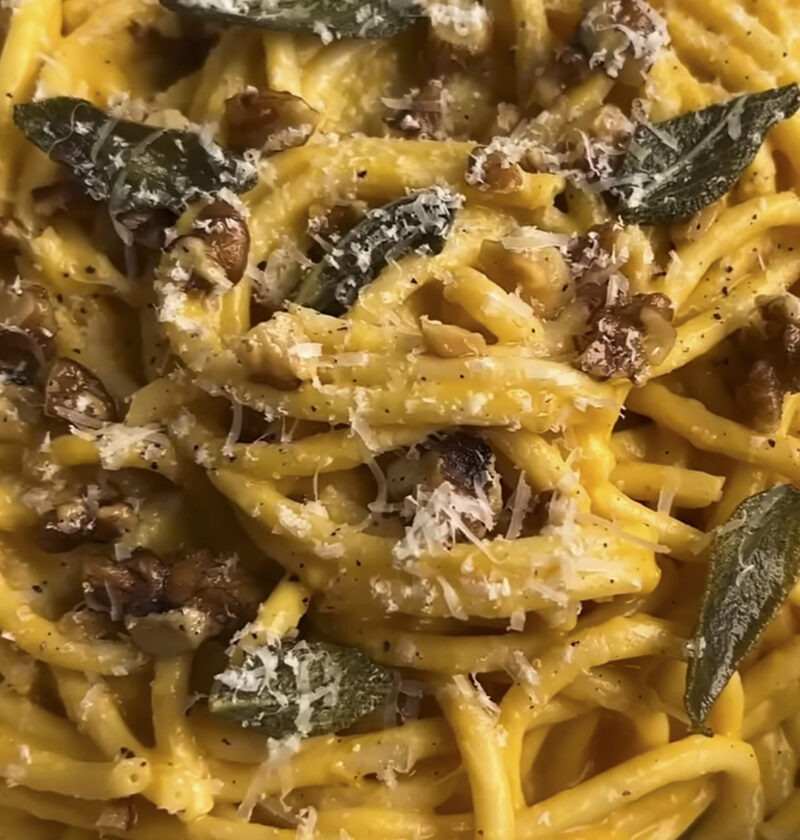
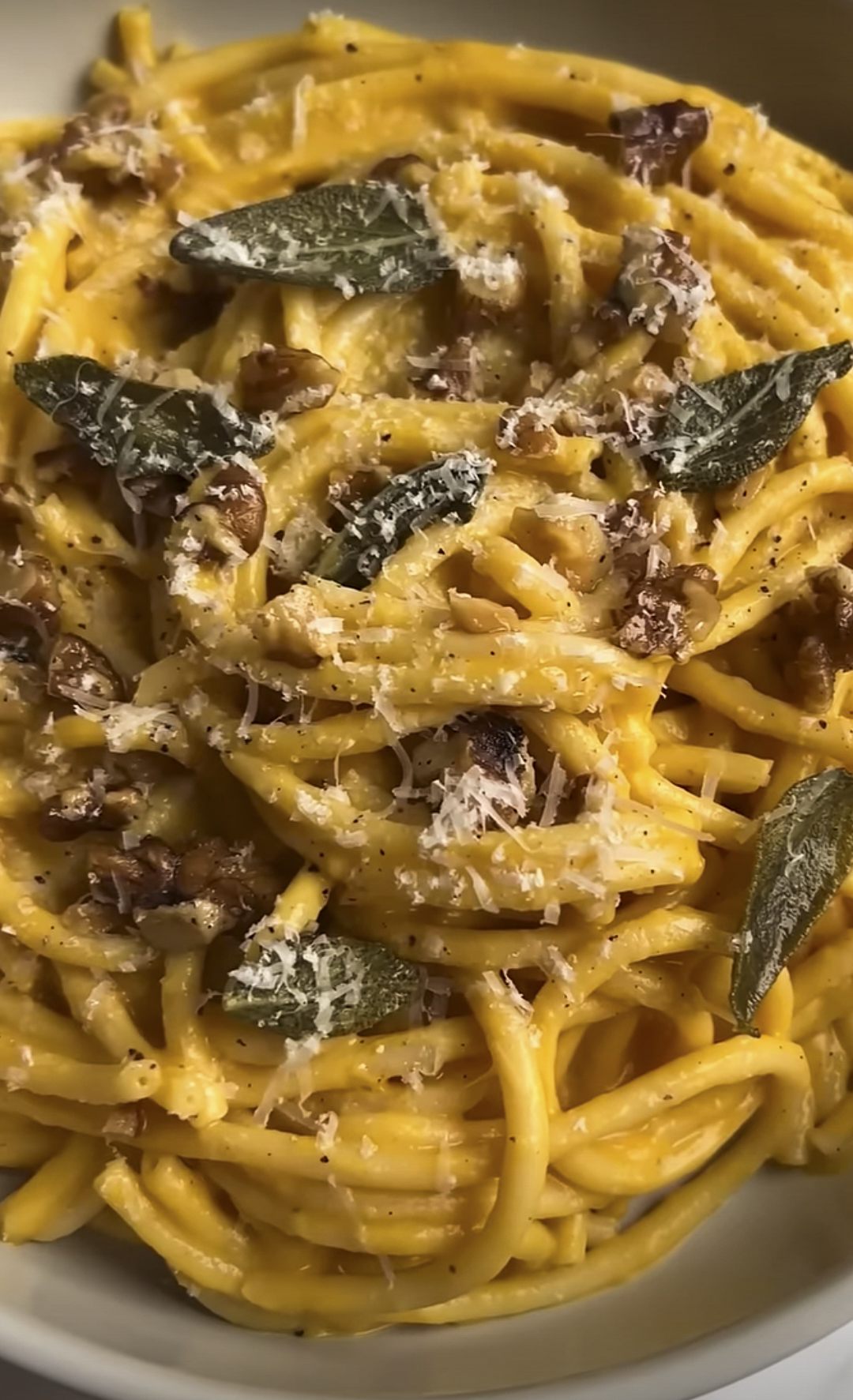
This butternut squash sage pasta is the ultimate comfort food for any weeknight, but especially a busy holiday. Sweet, roasted squash folds into a heavy cream sauce of fresh Parmesan and nutmeg, clinging to every crevice of al dente rigatoni. Tender, crisp sage leaves, fried into nutty browned butter, add an earthy bite with every bite.
Thanksgiving plates are usually drowned in heavy gravy and bland mashed potatoes, but this dish offers a richer, heartier alternative. Roasting the squash cut-side down caramelizes natural sugars, rather than steaming it. You can also prepare most of the dish ahead of time, leaving you free to mingle with guests instead of staring into a hot stove all night.
Creamy Butternut Squash Sage Pasta for Thanksgiving
Silky roasted squash purée tossed with ridged rigatoni, browned butter, and frizzled fresh sage leaves.
Ingredients
-
-
- 1 medium butternut squash (about 2 to 2.5 pounds), peeled, seeded, and cut into 1-inch cubes
-
- 2 tablespoons olive oil
-
- 1 teaspoon kosher salt, divided
-
- 1/2 teaspoon freshly ground black pepper
-
- 12 ounces rigatoni or paccheri pasta
-
- 4 tablespoons unsalted butter
-
- 18 to 20 fresh whole sage leaves
-
- 3 cloves garlic, finely minced
-
- 1/2 cup heavy cream (or full-fat canned coconut milk)
-
- 1/2 cup Parmigiano-Reggiano, freshly grated
-
- 1/4 teaspoon ground nutmeg
-
- 1 cup reserved starchy pasta cooking water
-
- 1 tablespoon fresh lemon juice
-
Necessary Utensils & Equipment
-
-
-
- Rimmed baking sheet
-
- Parchment paper
-
- High-speed blender or immersion blender
-
- Large stockpot
-
- Large deep skillet or Dutch oven
-
- Slotted spoon
-
- Liquid measuring cup
-
- Chef knife and cutting board
-
-
Instructions
-
-
-
- Preheat your oven to 400°F (200°C) and line a rimmed baking sheet with parchment paper.
-
- Toss the cubed butternut squash with olive oil, 1/2 teaspoon salt, and 1/4 teaspoon black pepper. Spread the cubes in a single layer without crowding.
-
- Roast for 25 to 30 minutes until tender and caramelized on the bottom edges. Test with a fork to confirm the squash is completely soft.
-
- While the squash roasts, bring a large pot of heavily salted water to a rolling boil. Cook your pasta until it is two minutes shy of al dente. Reserve 1 cup of pasta water before draining.
-
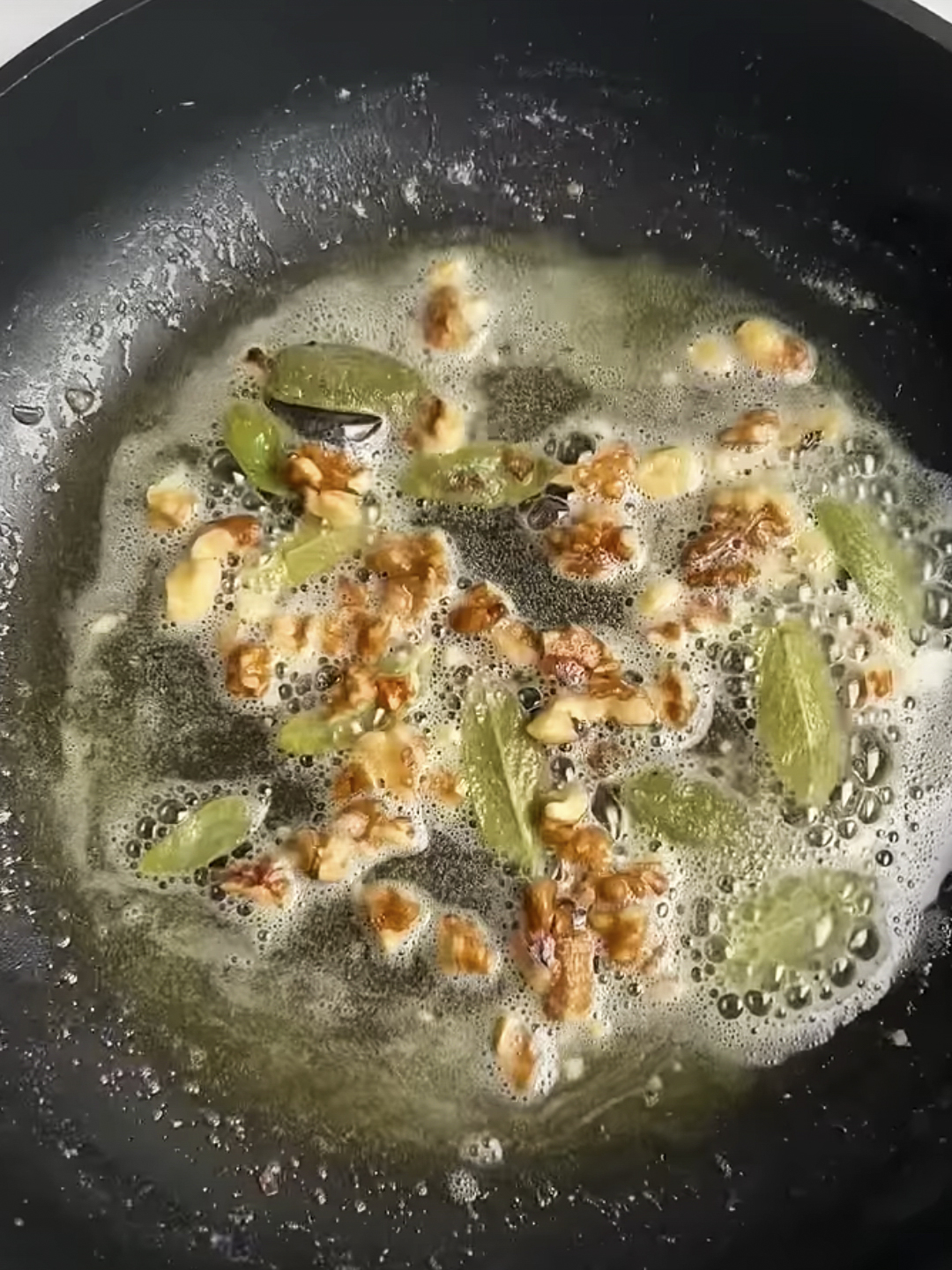
- Melt the unsalted butter in a deep skillet over medium heat. Once it foams, drop in the whole sage leaves. Fry for 2 to 3 minutes until crisp and the butter turns a fragrant golden-brown with tiny specks. Use a slotted spoon to transfer the crisp sage leaves onto a paper towel.
-
- Add the minced garlic to the brown butter remaining in the skillet. Cook for 30 seconds until fragrant, then remove from heat.
-
- Transfer the roasted squash to your blender. Pour in the heavy cream, the garlic-butter mixture from the skillet, nutmeg, remaining salt, and 1/2 cup of reserved warm pasta water. Blend on high until completely glossy and smooth.
-
- Pour the squash purée back into the warm skillet over low heat. Stir in the freshly grated Parmigiano-Reggiano and fresh lemon juice.
-
- Toss the cooked pasta directly into the sauce. Simmer gently for 2 minutes, splashing in extra pasta water as needed until the sauce coats every noodle like liquid velvet.
-
- Spoon into warm bowls and top with the crisp sage leaves, extra grated cheese, and cracked black pepper.
-
-
Key Takeaways
Mastering the Brown Butter and Crisp Sage Base
Browned butter adds a deep savory dimension to this simple vegetable puree. As the unsalted butter is heated, the water content boils off leaving behind the milk solids. These then begin to brown creating a toasted hazelnut aroma that cuts through the sweet flesh of the squash.
The fresh sage leaves fried directly in the foaming butter achieve two ends. First they impart a herbaceous quality to the fat. Secondly, the leaves are transformed into crisp paper-thin ribbons that crackle at the bit.
The first time I ever browned butter for this sauce I wandered off to check on my roasting squash. Those few seconds were enough for the golden brown milk solids to go up in bitter black smoke. This ruined a whole whack of leaves for me.
I always stay close to the burner when I make this. As soon as the sizzling quiets and those little amber bits appear on the bottom of the pan, I turn the pan off. The residual heat will finish the job.
Listen closely when those leaves are cooking. You can hear the active sizzle as the moisture leaves the leaves. When the bubbles die down and the edges start to curl, remove them immediately using a slotted spoon.
Choosing the Best Pasta Shape for Squash Sauce
The consistency of the sauce determines which type of pasta to choose. Due to the thick and creamy texture of the butternut squash purée, strands of angel hair or spaghetti will be overwhelmed and mashed into an unappetizing lump.
Rather, it is better to use tubes of different shapes and sizes with ridges on the surface, such as rigatoni, cavatappi, paccheri. The crevices on their surface and their hollow interiors will hold the rich sauce, while the warm squash purée will insulate it from the cold.
Another great option for this type of sauce is campanelle – frilly little trumpets, which will also hold the squash mixture, as well as the browned sage bits stirred into it.
Most importantly, do not rinse the pasta with hot water after cooking, as the starchy water clings to the pasta and, mixing with the purée, creates a film that holds the sauce.
A Make-Ahead Thanksgiving Strategy
Holiday cooking can be a frenzied blur of timers going off and counters getting cluttered with pots and pans. The best part about this dish is how easily it breaks down into steps. There is no need to roast, purée, fry, and boil in the final hour before the dinner bell rings.
You can roast the squash and mix the purée with the cream, garlic, and spices up to three days before Thanksgiving. Cool the mixture to room temperature and store it in an airtight glass container in your fridge. The flavors meld together beautifully as they rest in the cool temperature of the refrigerator.
On the day of the event, you can reheat the squash mixture in your wide skillet over low heat while you boil your pasta. A splash of additional water or stock will be needed to loosen the mixture since the starch in the squash will firm up when it is chilled.
The sage leaves can be fried fresh when you are ready to serve the dish. While the purée can be made ahead of time, fried sage loses its delicate, crisp texture when it is exposed to too much moisture in the air. It only takes five minutes or less to fry the leaves, and the resulting dish will smell so festive that your guests will not want to leave!
Expert Tips for Success and Troubleshooting
Reserve at least a full mug of starchy cooking water before draining your noodles; it acts as liquid gold to thin out a thick purée without diluting richness.
Fixing Sauce That Feels Too Sweet
Butternut squash varies wildly in natural sugar content depending on when it was harvested. If your purée tastes more like pie filling than a savory dinner, do not panic. You can pull it back toward savory territory with three simple additions.
A splash of fresh lemon juice cuts through the dense natural sweetness of winter squash in seconds. The acid brightens the heavy fats from the cream and butter, waking up the entire dish. A generous crack of black pepper and extra aged Parmigiano-Reggiano also ground the squash with salty, savory funk.
If it still leans sweet, add a pinch of crushed red pepper flakes or smoked paprika. That gentle heat neutralizes the excess sugar without overpowering the gentle sage aroma.
Achieving an Ultra-Smooth Puree
A watery or grainy squash sauce ruins the comfort factor. To get restaurant-quality silkiness, rely on a high-speed countertop blender rather than a basic food processor. Blenders pull the fibrous cooked squash through sharp blades at high velocity, shearing the plant cells into a fine cream.
If you only have an immersion blender, pass the cooked squash through a fine-mesh sieve or food mill first. This extra step removes any stringy fibers that survived the oven.
Make sure the squash is hot or warm when blending. Blending cold roasted squash causes the fats in the butter and cream to seize, giving you a greasy texture instead of an emulsified sauce.
Dietary Adaptations and Swaps
Catering to diverse holiday diets requires minimal effort with this recipe. The base squash delivers so much body that dairy alternatives work surprisingly well.
- Dairy-Free or Vegan: Swap the unsalted butter for high-quality extra virgin olive oil or plant butter. Replace heavy cream with full-fat canned coconut milk or soaked raw cashews blended with water. Use nutritional yeast or dairy-free Parmesan style shreds for umami.
- Gluten-Free: Use your favorite corn, brown rice, or chickpea rigatoni. Cook the gluten-free pasta in salted water for one minute less than package directions, as it tends to break apart faster once tossed in the hot purée.
- Nutty Crunch: Add a handful of toasted pecans, walnuts, or pepitas (pumpkin seeds) on top alongside the fried sage for contrasting texture.
Frequently Asked Questions
Can I use canned butternut squash purée instead of fresh?
Yes, canned squash purée works if you are short on time. Skip the roasting step and stir the canned purée directly into your skillet with the garlic and browned butter. Simmer it gently for five minutes to cook out any raw, metallic can taste before adding your cream, cheese, and pasta water.
How do I keep leftover sage pasta from drying out?
Pasta coated in vegetable starch drinks up moisture as it sits in the fridge. When reheating leftovers, add two tablespoons of water, milk, or broth per serving to your saucepan. Warm it slowly over medium-low heat, stirring constantly until the sauce loosens and turns glossy again.
Can this recipe be frozen for holiday meal prep?
Freeze the blended squash sauce on its own without the pasta. Pour the cooled sauce into freezer bags or glass jars, leaving an inch of headspace, and freeze for up to three months. Thaw overnight in the refrigerator, warm it in a skillet, and toss with freshly boiled pasta on Thanksgiving day.
What proteins pair well with this dish?
While this pasta serves well as a hearty vegetarian main course, it also complements roasted turkey breast, pan-seared pork chops, or crispy skin chicken thighs. The earthy sage echoes classic poultry seasonings, making it a natural companion to traditional roast meats.
What adjustments will you make to customize this sauce for your holiday crowd? Leave a comment below and share your favorite seasonal pasta twists!