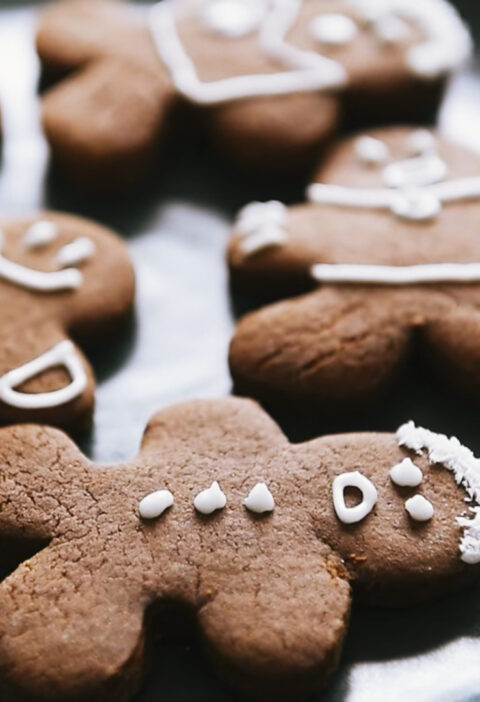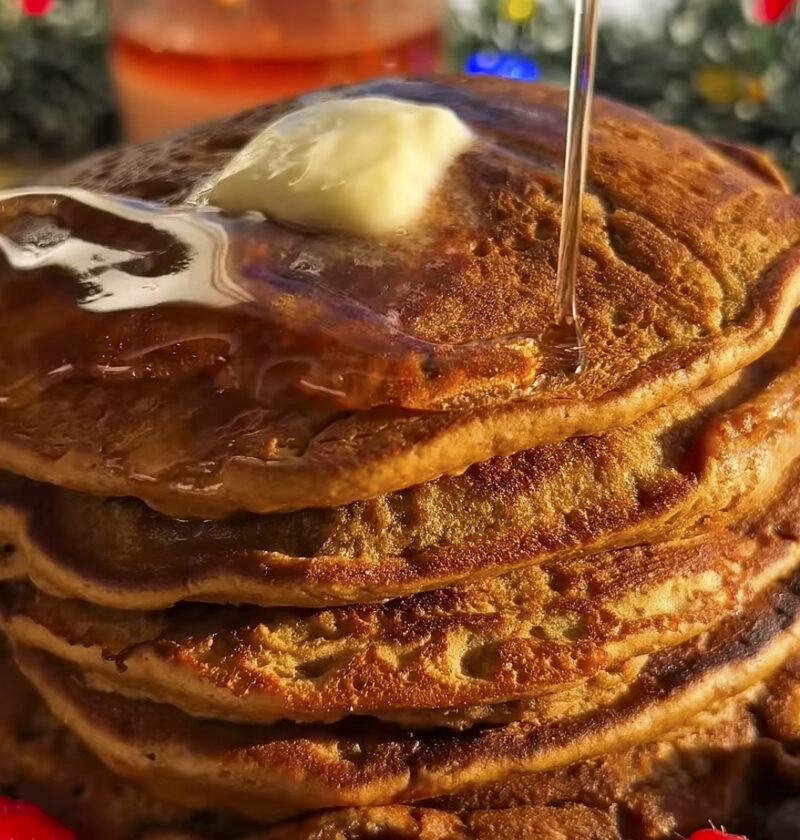
You will not need restaurant-grade griddle or other culinary gadgets to prepare a memorable breakfast for the holiday. Just a regular mixing bowl, a fork, and a standard frying pan can help you create a dish that will fill the house with the aroma of ginger, molasses, and cinnamon. This scent will help wake up the sleepiest family members on the morning of the holiday.
I remember that the first time I tried to make pancakes for the holiday, I poured the mixture of full-flavored blackstrap molasses and other goods on a hot skillet, and ruined it for everyone. The sugar in the dark syrup quickly burnt, filling the house with a smell of charred delicacy. After I fixed the temperature and compensated the amount of dark syrup with the consistency of buttermilk, the pancakes started to look and taste as real gingerbread cookies after baking.
Key Takeaways
Fluffy Gingerbread Pancakes for Christmas Morning
Thick, spiced holiday griddle cakes infused with dark molasses and aromatic ginger.
Ingredients
-
-
- 2 cups all-purpose flour
-
- 2 tablespoons dark brown sugar, packed
-
- 2 teaspoons baking powder
-
- 1/2 teaspoon baking soda
-
- 1/2 teaspoon kosher salt
-
- 1 1/2 teaspoons ground ginger
-
- 1 1/2 teaspoons ground cinnamon
-
- 1/4 teaspoon ground nutmeg
-
- 1/8 teaspoon ground cloves
-
- 1 1/2 cups buttermilk, room temperature
-
- 1/3 cup dark molasses (unsulphured)
-
- 2 large eggs, lightly beaten
-
- 3 tablespoons unsalted butter, melted and cooled
-
- 1 teaspoon pure vanilla extract
-
Necessary Utensils & Equipment
-
-
-
- Large mixing bowl
-
- Medium mixing bowl
-
- Wire whisk
-
- Flexible spatula or wide turner
-
- Cast iron skillet or nonstick griddle
-
- Measuring cups and spoons
-
-
Instructions
-
-
-
- In a large bowl, whisk together the flour, brown sugar, baking powder, baking soda, salt, ginger, cinnamon, nutmeg, and cloves until completely blended.
-
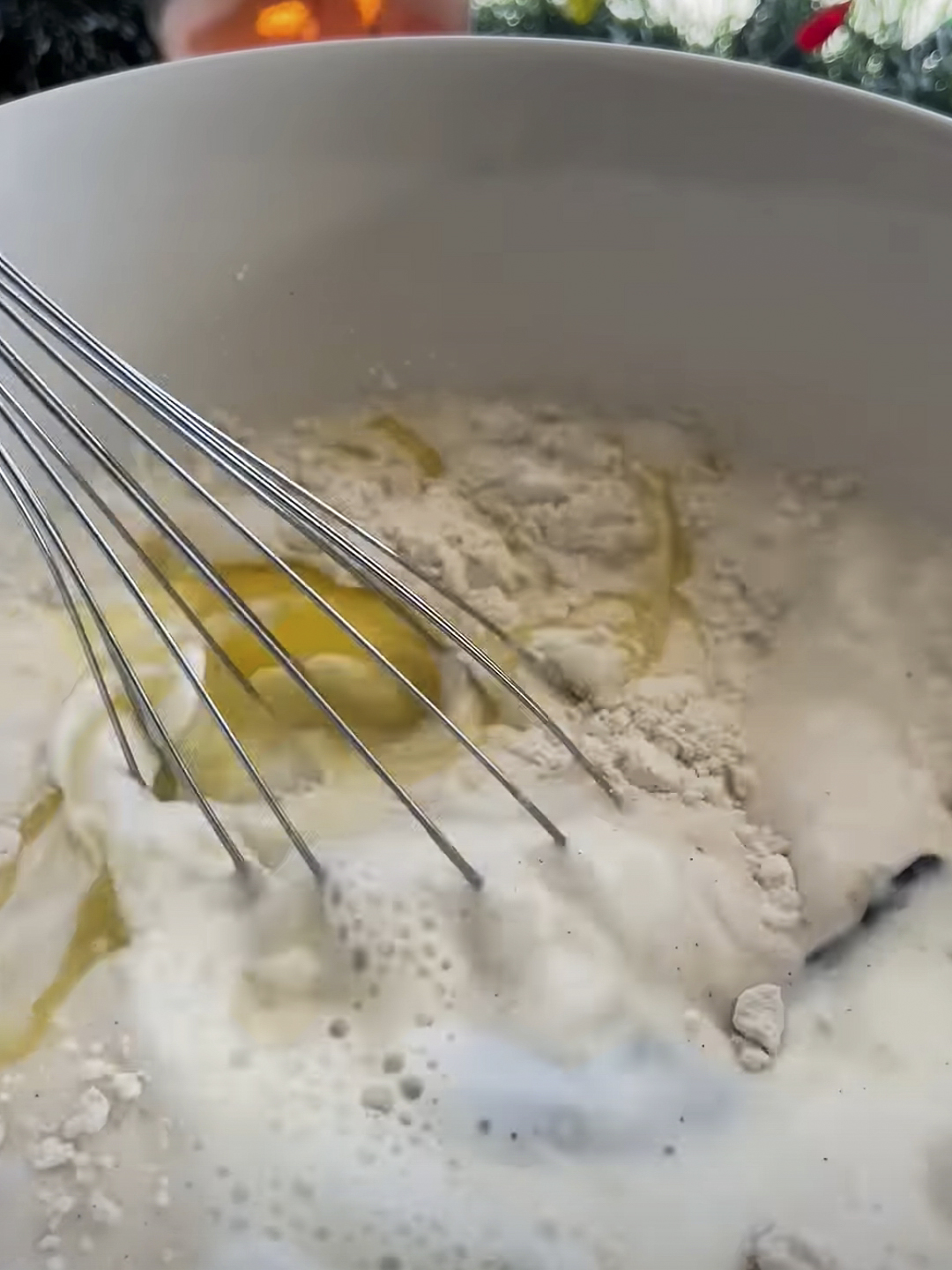
- In a separate medium bowl, combine the buttermilk, dark molasses, beaten eggs, melted butter, and vanilla extract. Whisk thoroughly until the molasses dissolves evenly into the liquid.
-
- Pour the wet ingredients into the dry ingredients. Stir with a wooden spoon or spatula just until combined; small lumps are completely normal and should remain.
-
- Allow the batter to rest undisturbed at room temperature for 10 minutes to allow the leavening agents to react.
-
- Heat your skillet or griddle over medium-low heat and coat lightly with a thin film of butter or neutral oil.
-
- Ladle 1/4 cup of batter per pancake onto the hot cooking surface, leaving ample space between each portion.
-
- Cook for 2 to 3 minutes until bubbles appear on the surface and the edges look set and matte.
-
- Carefully flip and cook for an additional 1 to 2 minutes until the center springs back gently to the touch.
-
- Transfer cooked pancakes to a warm plate and repeat with remaining batter, greasing the pan between batches.
-
-
Why This Spice Blend Creates Unbeatable Pancake Texture
Gingerbread makes me think of a dense cookie or a heavy cake. To balance the pronounced acidity of the molasses, we need to use an alkaline leavening agent. Molasses has acids in it that, when combined with baking soda, will lightly leaven the gingerbread once they begin to interact with the other ingredients.
The ground spices each play a different role in the gingerbread. The ginger root adds a pungent, spicy flavor that will balance the richness of the buttermilk used in the recipe. Cloves and nutmeg add warm notes of spice that waft throughout the gingerbread as soon as it hits the hot, buttered pan. Cinnamon adds woodsy, flowery notes that offset the spice.
Pro Tip: Room temperature buttermilk is best when added to whisked molasses. Molasses that has been chilled can become thick and stringy and will not incorporate into the other ingredients as easily.
The gingerbread batter should be left to rest, as it produces a larger rise on the griddle. After the flour has been given ample time to hydrate, we can expect a greater rise out of the gingerbread batter once it hits the griddle. The rest period will create a tender, chewy gingerbread cookie that won’t be as rubbery as a pancake.
Choosing the Right Molasses and Dairy Components
Not all the bottles on your grocery store shelf are created equal (or rather tasted equal) in this breakfast batter. Some mild or darker unsulphured molasses will provide just enough natural sugars to cut through the sharp ginger in the batter; skip the blackstrap varieties (or any other dark, salty-tasting syrups) for this particular dessert, lest you want to ruin your sweet dairy flavors with bitterness.
Buttermilk is a must, if only for the lightness it lends to the pancake–its natural acidity will help break down the wheat proteins in the flour, thus allowing the baking soda to lift the batter up and away with a cloud-like tenderness. In a pinch (and you’re at the mercy of the local dairy case on Christmas morning), whole milk soured with a tablespoon or two of fresh lemon juice will do just fine.
Real unsalted butter has a richness that oil simply can’t mimic. Melted (and cooled) to room temperature, it’ll help keep your eggs from scrambling during the wet ingredient blending stage. Meanwhile, a splash of pure vanilla (not artificial!) will cut through the spice of the dry ingredients’ ground flavors.
Controlling Your Skillet Heat to Avoid Burnt Sugars
Since molasses and brown sugar tend to darken, it is better to cook such pancakes on lower and slower heat than one usually cooks buttermilk pancakes. Make sure to keep the pan at a medium-low temperature and let the batter cook-thoroughly without burning the edges.
Pay attention to the sound of the mixture being poured into the pan: it should not sizzle. If the butter sizzles and starts to brown as soon as the pancakes hit the pan, it is best to turn off the pan for 2 minutes to reduce the temperature. Check the pancakes’ surface rather than rely on a timer: when the bubbles start to form on the surface and the edges stop looking shiny, it is time to flip the pancake with a spatula to release the air pockets and get an evenly cooked cake.
Festive Toppings That Complete Your Holiday Table
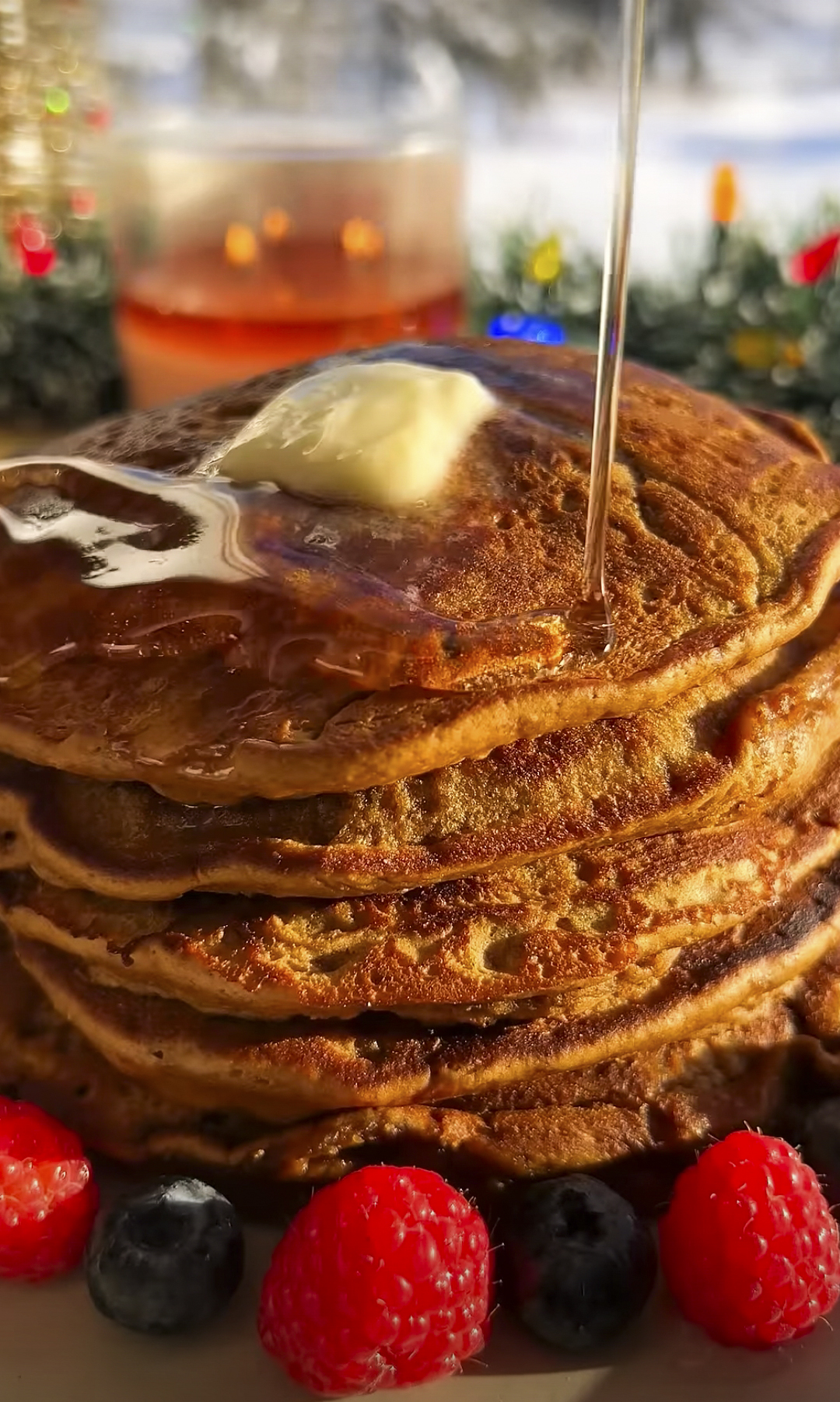
While warm pure maple syrup is a given, gingerbread pairs surprisingly well with sharp toppings that cut through the spice. A dollop of sweetened mascarpone or citrus-kissed whipped cream provides immediate holiday appeal. Simmer some fresh cranberries with some orange juice to create a tart compote that can be poured over the golden stack.
Toast some pecans in a dry skillet to create a buttery crispness that compliments the tenderness of the pancakes. A light dusting of powdered sugar before placing the stack on the table will look like fresh holiday snow on top of the dark, spiced cakes.
Frequently Asked Questions
Can I make this pancake batter the night before?
You can mix the dry ingredients and wet ingredients in separate containers on Christmas Eve. However, do not combine them until right before cooking. Mixing too early exhausts the leavening bubbles, resulting in flat, dense pancakes the next morning.
Why are my gingerbread pancakes gummy in the center?
Gummy interiors usually mean your cooking surface was set too hot. High heat browns the outside before the internal starches can fully set. Lower the burner temperature and allow the cakes an extra minute on each side to cook through evenly.
How do I keep pancakes warm while cooking batches?
Set a wire cooling rack inside a rimmed baking sheet and place it in an oven preheated to 200°F (93°C). Transfer freshly cooked pancakes directly onto the rack in a single layer. The ambient heat keeps them hot and crisp without trapping steam underneath.
Can I freeze leftover gingerbread pancakes?
Yes, cooked pancakes freeze exceptionally well. Let them cool completely on a wire rack, layer them between sheets of parchment paper, and seal them in an airtight freezer bag for up to two months. Reheat directly in your toaster for a quick holiday morning throwback.
How will you dress up your holiday breakfast stack this year?