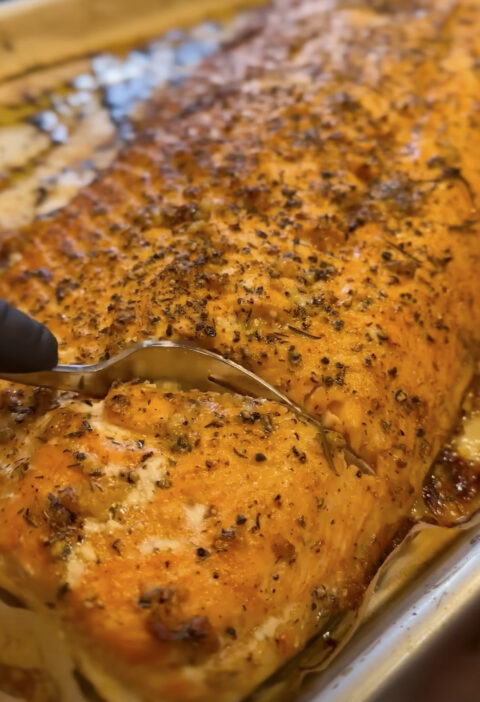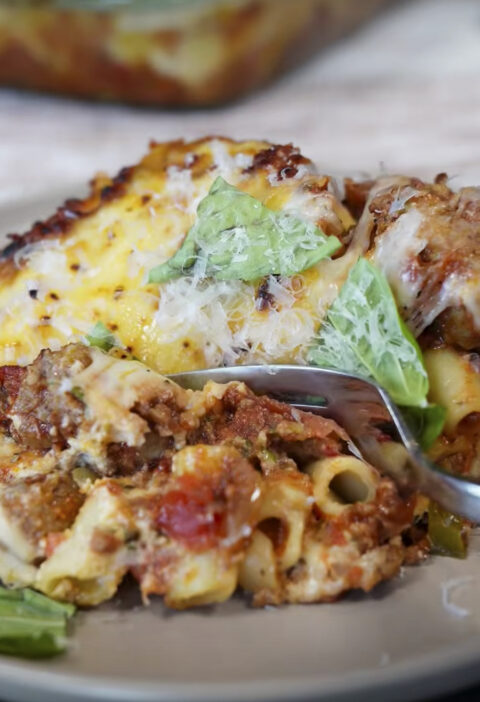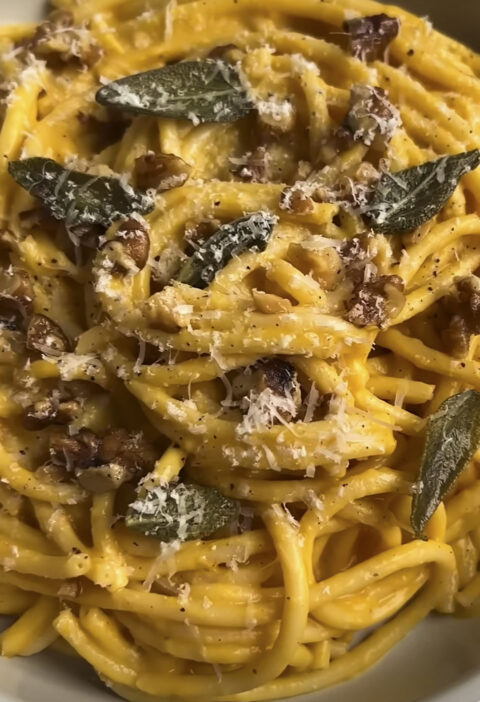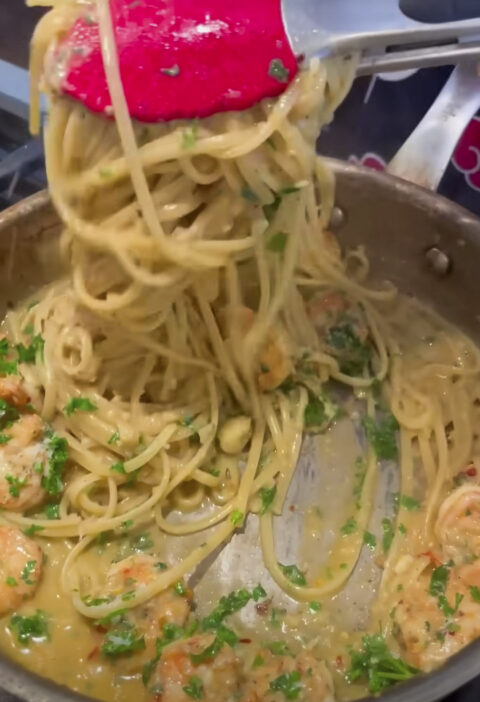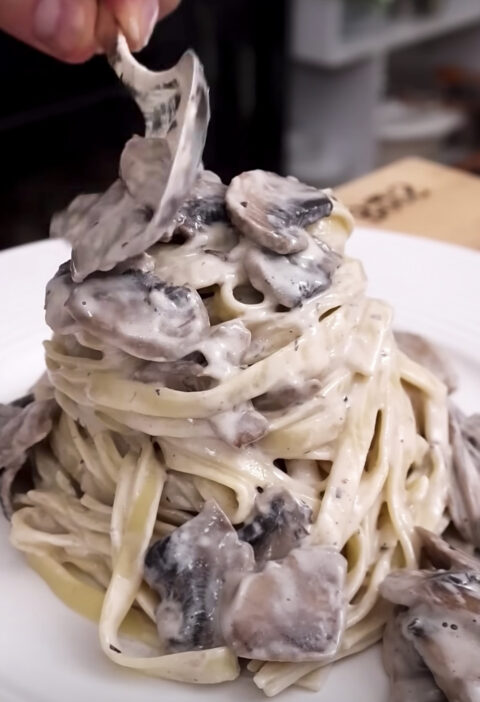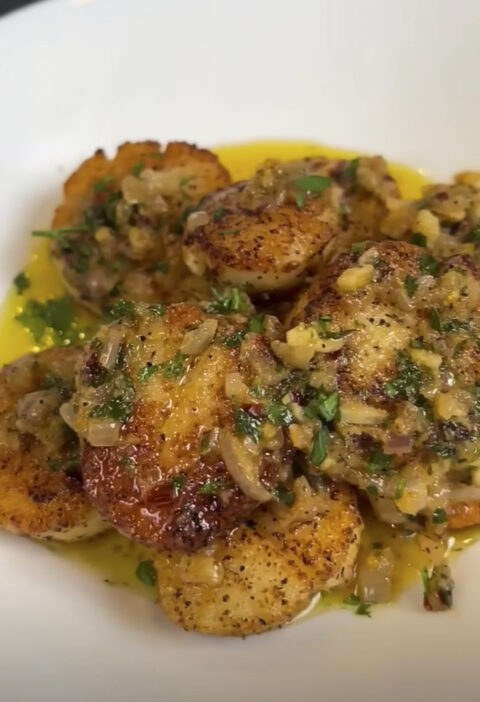
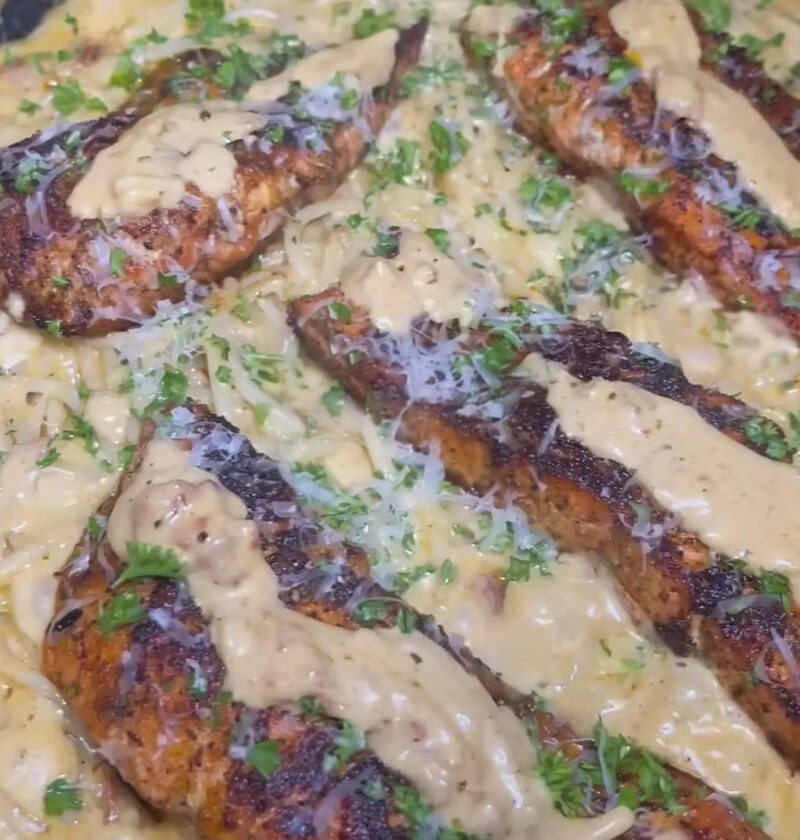
The smartest way to cook restaurant quality seafood pasta is to plan your cooking method. As you wait for your pasta to cook you can prepare your ingredients by dicing them. This means there will be no awkward pauses during your cooking. This recipe has been going viral because it includes delicious crispy salmon, juicy seared prawns and a creamy Cajun garlic sauce.
By cooking your seafood in batches you ensure that your salmon gets that perfect crust without overcooking the delicate prawns. In under 40 mins you will have a lovely smoky paprika smell coming from your pan. Let’s go over how to cook your pan and sauce to ensure you get a shiny, tasty and hot dish every time.
Key Takeaways
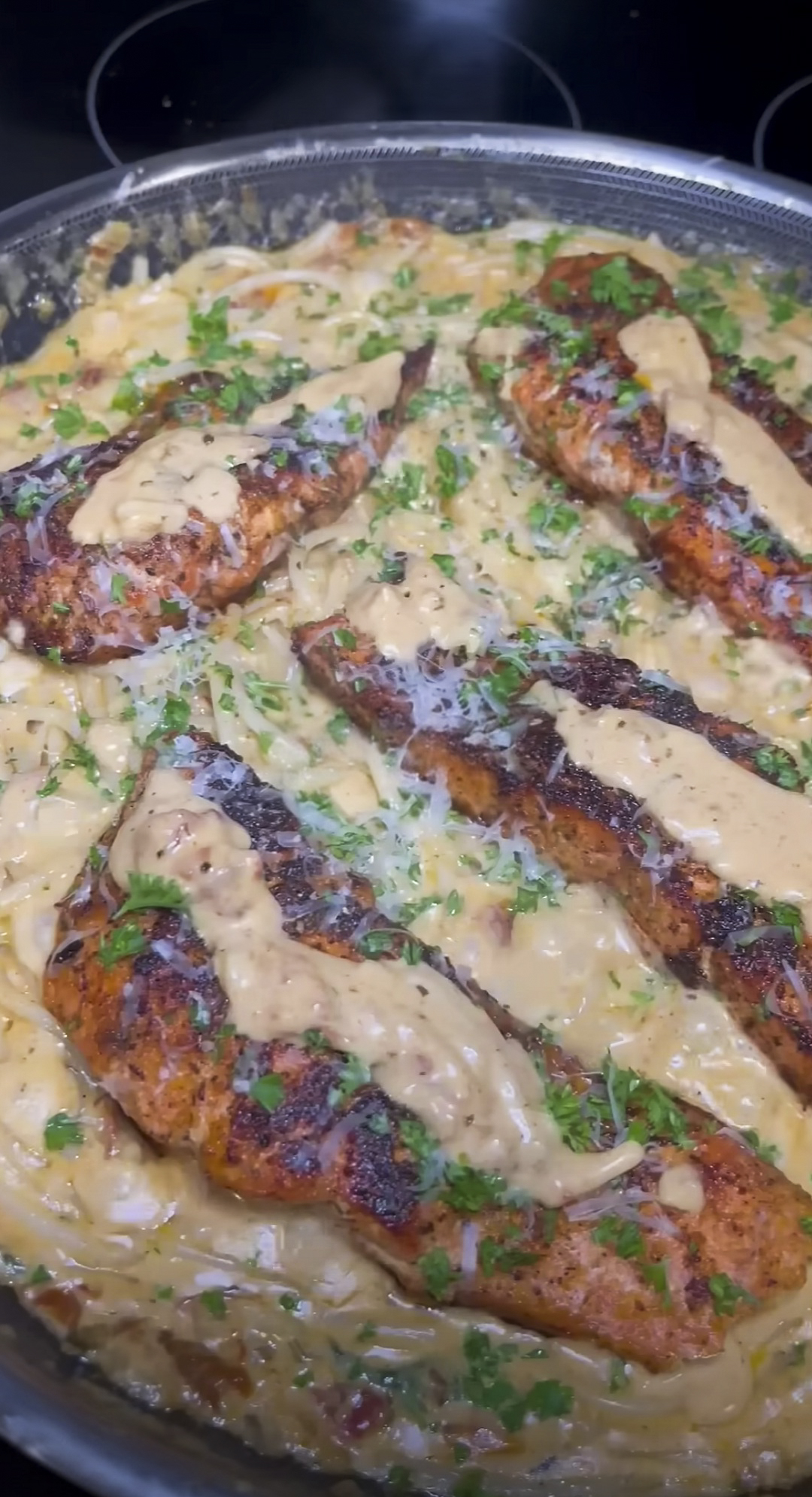
Viral Creamy Cajun Salmon & Shrimp Pasta
Crispy Cajun salmon cubes and tender shrimp tossed with pasta in a rich garlic cream sauce.
Ingredients
- 1 lb fresh salmon fillets, skin removed, cut into 1-inch cubes
- 1/2 lb large shrimp, peeled, deveined, and tails removed
- 12 oz fettuccine or penne pasta
- 2 tbsp Cajun seasoning blend, split into two portions
- 2 tbsp olive oil, divided
- 2 tbsp unsalted butter, divided
- 1 medium yellow onion, finely chopped
- 1 red bell pepper, sliced into thin strips
- 4 cloves garlic, finely minced
- 1.5 cups heavy whipping cream
- 1 cup Parmesan cheese, freshly grated from a block
- 1/2 cup reserved starchy pasta water
- 1 tbsp fresh lemon juice
- 2 tbsp fresh parsley, finely chopped
Necessary Utensils & Equipment
-
-
- Large stockpot for boiling pasta
-
- 12-inch heavy skillet or cast iron pan
-
- Kitchen tongs
-
- Silicone spatula
-
- Paper towels
-
- Fine cheese grater
-
- Measuring cups and spoons
-
Instructions
-
- Bring a large pot of salted water to a rolling boil. Add the pasta and cook for 1 minute less than package directions for al dente. Scoop out 1/2 cup of hot pasta water, then drain the rest.
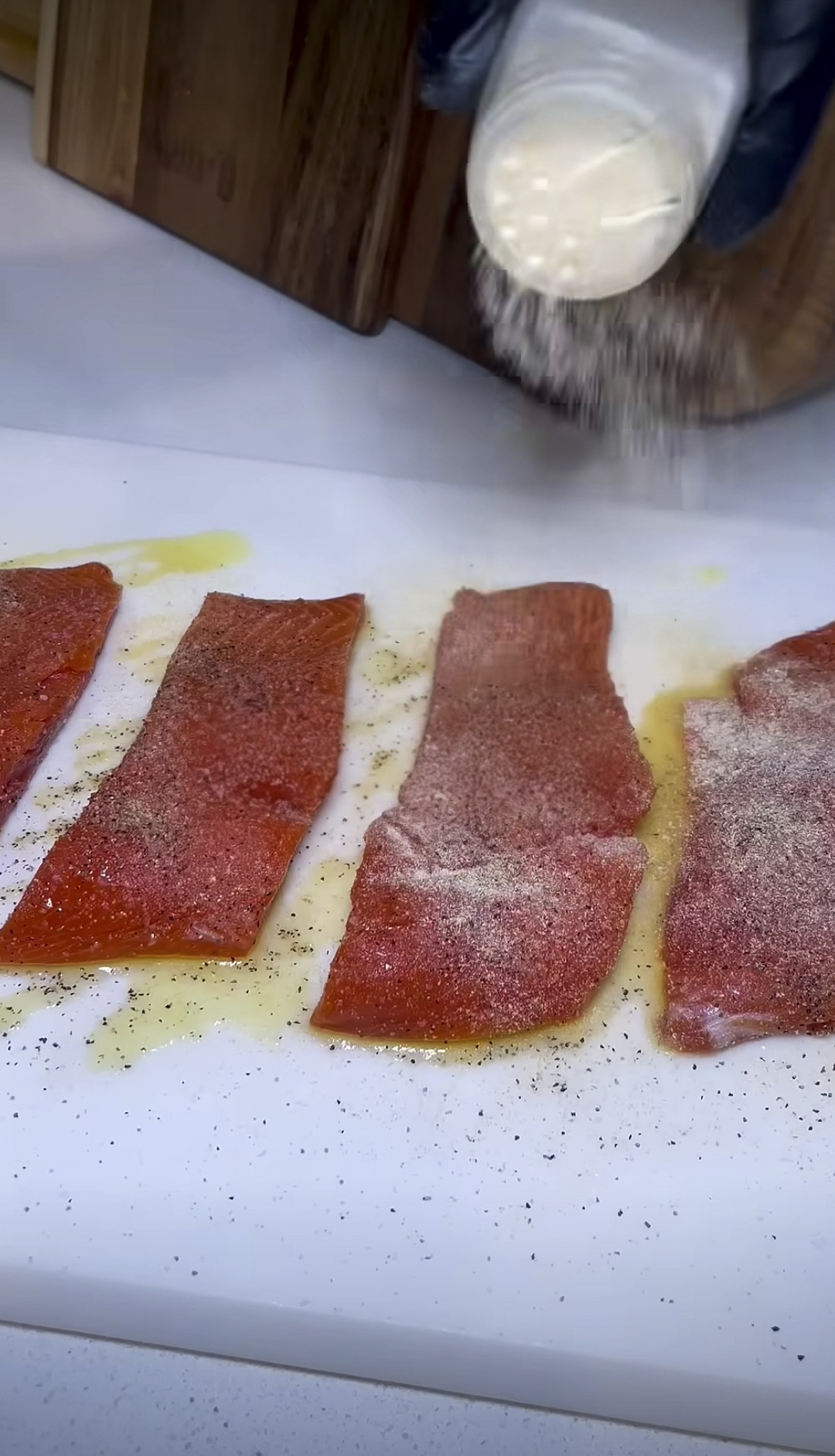
- Pat the salmon cubes and shrimp dry using paper towels. Sprinkle 1.5 tablespoons of Cajun seasoning evenly over both, gently tossing so every piece gets covered.
- Place your skillet over medium-high heat. Add 1 tablespoon of olive oil and 1 tablespoon of butter. Once melted and bubbling, add the salmon cubes in a single layer. Sear for 2 to 3 minutes without moving them, flip, and cook for another 2 minutes until browned. Transfer salmon to a warm plate.
- Add the remaining 1 tablespoon of olive oil to the hot skillet. Drop in the shrimp and cook for 1 to 2 minutes per side until pink and opaque. Transfer shrimp to the plate with the salmon.
- Turn the heat down to medium. Melt the remaining 1 tablespoon of butter in the skillet. Add the chopped onion and red bell pepper strips. Cook for 3 to 4 minutes until soft, scraping up the browned spice bits stuck to the pan bottom.
- Add the minced garlic and the remaining 1/2 tablespoon of Cajun seasoning. Stir continuously for 60 seconds until fragrant.
- Pour in the heavy cream and stir well. Bring the mixture to a soft simmer, then turn the flame down to low. Add the freshly grated Parmesan cheese, stirring gently until completely melted into a glossy sauce.
- Add the cooked pasta directly into the sauce. Pour in a small splash of the reserved pasta water to loosen the cream if it seems too thick, tossing to coat the noodles evenly.
- Gently fold the seared salmon cubes, shrimp, and fresh lemon juice into the pasta. Garnish with chopped parsley and serve immediately while warm.
Mastering the Cajun Seafood Sear
A nice sear can be achieved by cooking two different sea foods in the same pan. Salmon has more fat within it than shrimp so requires constant cooking. Whereas shrimp will cook quickly and become rubbery if cooked for too long.
When I cooked salmon and shrimp together for pasta for the first time I added them to the pan together. This resulted in the shrimp becoming small rubbery balls and the centre of the chunky salmon remained pale and undercooked. By cooking the two proteins separately for a quick sear I was able to achieve a perfect result.
Pat the seafood dry using some kitchen roll. This will prevent any steam from forming on the surface. This is key to getting a nice golden crust when cooking in the hot fat. Season the salmon and shrimp just before you cook them to avoid too much moisture being drawn out of them.
Cook the salmon in some olive oil and butter. The oil will increase the smoking point of the butter so that it doesn’t burn. The butter will add flavour and help it to brown quickly. Once the salmon has been removed to a plate the shrimp can be added to the pan to absorb the seasoned fat.
Building the Creamy Garlic Cajun Sauce
The key to making a delicious pasta sauce is to ensure you have the right structure. When heated, the heavy whipping cream will begin to lose some of its water content. This leaves us with the butterfat which will form a natural coating on the back of the spoon. Combine this with savoury Cajun spices and fragrant garlic for a rich base.
Adding starchy pasta water will create an emulsion meaning the heavy cream will stick to all the noodles. The salty cloudy water you’ll pull from your boiling pasta will be full of loose starches. These will bind the water and fat molecules together when added to your fat and cheese filled pan, creating a silky coating.
Pro Tip: Never let your pan boil aggressively after adding the Parmesan cheese. High heat causes dairy proteins to break down, leaving you with a grainy texture. Keep the flame low and stir gently until the cheese melts into the warm cream.
By grating your cheese you will instantly notice the difference. Pre-grated cheeses in bags have cellulose powders added to stop the cheese strands clumping within the bag. This means that it won’t melt down nicely into a warm creamy sauce but will clump into a lumpy sauce.
By grating your Parmesan fresh from a block you will get the silky smooth sauce. Take 20 seconds to either microplane or grate finely using a fine grater. The aged Parmesan will melt instantly when mixed with the warm cream and will meld nicely into the garlic oil.
Avoiding Common Pasta Mistakes
Seafood pasta dishes require some balance and if you get any of these elements wrong it can lead to a messy disaster. However, if you can manage to keep an eye on the temperature and how cooked your pasta is then you’ll have a balanced meal.
Here are the core areas to monitor while cooking:
-
-
- Noodle Doneness: Pull your pasta out of the boiling water 60 to 90 seconds before the package instructions specify full doneness. The noodles will finish softening inside the hot cream sauce.
-
- Sodium Management: Commercial Cajun seasoning mixes vary widely in salt content. Taste your spice mix beforehand so you can adjust how much extra salt you add to your pasta boiling water.
-
- Pan Overcrowding: Cook your salmon in two small batches if your skillet is under 12 inches wide. Laying too many cold fish cubes down at once drops the pan temperature and causes the fish to steam instead of crisp.
-
- Garlic Burning: Minced garlic burns easily when dropped into dry, scorching pans. Add it alongside your softened onions when there is enough moisture in the skillet to cushion the garlic pieces.
-
If your sauce looks too thick after adding the noodles, do not add more cold heavy cream straight from the fridge. A quick splash of your warm reserved pasta water loosens the sauce instantly without throwing off the balance of fats.
Customization and Storage Hacks
This is a great recipe to make as a base for dinner. For extra crunch add some fresh baby spinach leaves to the pan with the cooked pasta. This will cook in the residual heat within 30 seconds.
If you do not have any salmon or shrimp in the freezer, you can substitute this with sliced smoked sausage or diced chicken thighs. Ensure you cook the raw chicken or pork in the pan for the correct amount of time.
Seafood pasta does not like to be cooked quickly when reheating. It will become rubbery and the cream sauces tend to split.
To reheat seafood pasta cook it slowly on the stove. Add a little milk. In a small pan on a medium to low heat, add a tablespoon or two of whole milk or water. Cover with a lid and cook for 3 minutes. Gently stir until hot through.
Frequently Asked Questions
Can I use frozen salmon and shrimp for this recipe?
Yes, frozen seafood works well as long as it is fully thawed and thoroughly dried with paper towels before seasoning. Thaw your seafood overnight in the refrigerator or seal it in a leak-proof bag immersed in cold water for 20 minutes.
What is the best type of pasta shape to use?
Long, flat noodles like fettuccine or linguine hold onto thick cream sauces exceptionally well. Tubed shapes like penne or rigatoni are also great choices because the creamy sauce and chopped garlic collect inside the hollow tubes.
How do I prevent my seafood from getting cold while making the sauce?
Cover your cooked salmon and shrimp loosely with a sheet of aluminum foil on a warm plate while you cook the vegetables and simmer the cream sauce. They only spend about 6 to 8 minutes resting off the heat, and tossing them back into the sauce at the very end warms them back through.
Can I make this dish lighter without heavy cream?
You can substitute half-and-half for heavy cream, but you should lower your pan heat even further to keep the sauce from splitting. Stirring in an extra quarter-cup of reserved starchy pasta water will help thicken the lighter dairy base smoothly.
Have you tried staging your seafood searing before making this creamy Cajun pasta, or did you make any fun spice adjustments at home? Leave a comment below and share your favorite pan tips!